
The calendar page flips to October, and you can feel it. Not the crisp autumn air, but the silent, mounting pressure of the final quarter. For you, the owner of a thriving e-commerce brand or a growing retail business, this isn’t just a change of seasons, it’s the crescendo of the year. Your business has spent months, maybe years, building a reputation, a customer base, and a dream. Now, all of that momentum funnels into a single, high-stakes period.
But this year, the weight feels heavier. Every headline is a new tremor of anxiety. “Port Congestion Hits Record High.” “Inflationary Pressures Squeeze Consumer Wallets.” “Labor Shortages Threaten Carrier Networks.” The logistical landscape is a minefield of unpredictable disruptions, and you’re trying to navigate it with the highest stakes of the year on the line.
You’ve lived through the frantic Q4 scrambles. The late-night inventory counts, the panicked calls to freight brokers, the gut-wrenching moment you have to mark a product as “out of stock” right when a major ad campaign is hitting its stride. You know the hollow feeling of seeing a competitor’s ad for the very product you just ran out of. And just as bad is the cold dread of a slow December, leaving you with a literal mountain of holiday-themed inventory that will be worthless after Christmas Day.
This is the Q4 Paradox: the simultaneous, paralyzing fear of having too little and having too much.
This isn’t a problem of poor planning; it’s a problem of a broken model. The traditional just-in-time supply chain, a marvel of efficiency in stable times, becomes a fragile house of cards during peak season volatility. The global supply chain, once a predictable river, is now a series of turbulent rapids, and relying on a single, linear flow is no longer a viable strategy. You need a buffer. A cushion. A strategic reserve that gives you control, not just hope.
The solution isn’t to work harder; it’s to work smarter. It’s not about scrambling to fill orders; it’s about building a proactive, resilient system that absorbs shocks so your business doesn’t have to. The most powerful tool in this new strategic playbook is the intelligent use of proactive commercial storage.
The Anatomy of Q4 Supply Chain Stress
To solve the problem, you first have to understand its root causes. The stress you feel isn’t just about high demand. It’s a perfect storm of converging factors that turn a predictable rush into a logistical nightmare.
The Volatility Multipliers: Tariffs and Geopolitical Uncertainty
A single announcement from a government agency or a sudden geopolitical event can send shockwaves through your entire supply chain. A new tariff on a key imported component or finished good can erase your margins overnight. The uncertainty forces you into a difficult position: do you order more now and risk overstocking at a higher cost, or do you wait and risk being caught without inventory? This isn’t just a business decision; it’s a high-stakes gamble with your financial stability.
The Port Congestion Bottleneck
Every year, as holiday merchandise streams in from across the globe, major ports become a sea of anchored container ships waiting to be unloaded. This isn’t just a delay; it’s a domino effect. A two-week backlog at a single port can mean weeks or even months of delays down the line. It’s the moment when your carefully planned timeline for Black Friday becomes a pipe dream, and the only remaining option is to pay exorbitant fees for last-minute air freight, if you can even find a spot.
The Bullwhip Effect in Practice
The “bullwhip effect” is a classic supply chain concept that becomes a devastating reality in Q4. A small fluctuation in consumer demand at your end can lead to massive swings in orders and inventory at your suppliers’ end. This leads to feast-or-famine cycles where you either have a warehouse bursting with product you can’t sell or you’re left with empty shelves while your customers go elsewhere. The result is a cycle of over- and under-ordering that eats away at profitability.
The Post-Holiday Returns Avalanche
The holiday season doesn’t end on December 25th. For many retailers, the true test of Q4 logistics begins in January. The volume of returns, often 15-30% of sales, can flood your operations, turning your neat warehouse into a chaotic mess. You’re left with a dilemma: process returns slowly and risk customer frustration, or rush to sort, inspect, and restock, creating a backlog that cripples your team and your ability to prepare for the new year. This is a profit-killer, and an often-overlooked source of stress.
The Proactive Solution: Strategic Storage as a Supply Chain Buffer
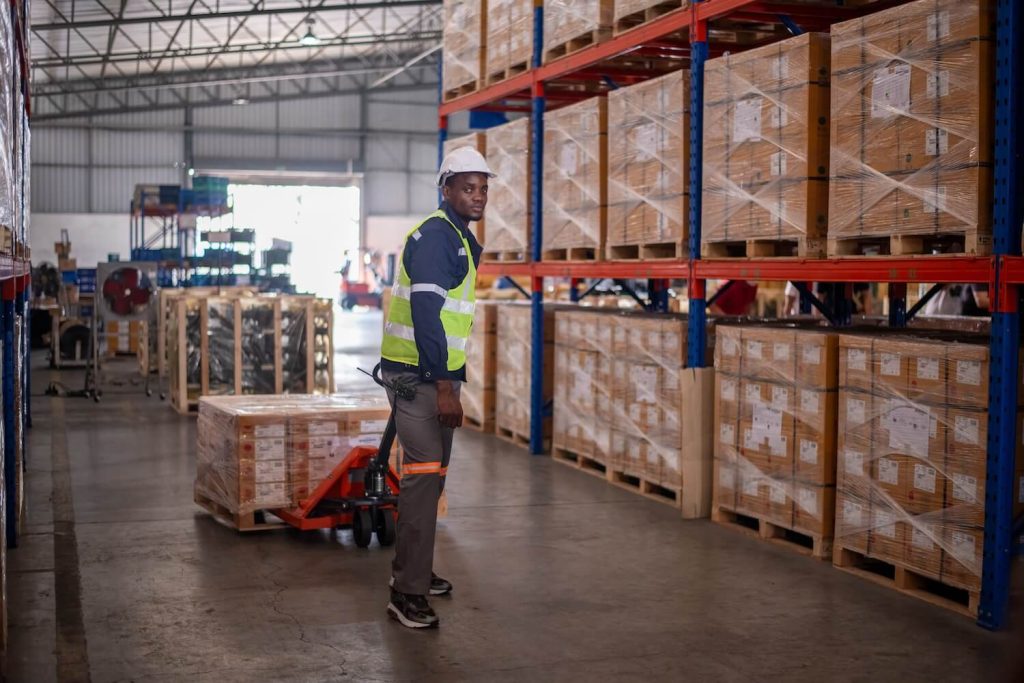
The way forward isn’t about navigating the chaos; it’s about creating a stable micro-environment for your business within that chaos. This is where proactive, flexible storage becomes your most valuable strategic asset.
The Inventory Staging Framework
Imagine your primary fulfillment center as your command post, optimized for speed and efficiency. Now, imagine a secure, short-term storage facility as your forward operating base. Instead of having all your bulk holiday inventory shipped directly to your command post, you divert it to this off-site base. This simple act creates an invaluable buffer.
- Keeps your primary facility lean: Your main warehouse remains uncluttered, allowing your team to focus on efficient picking and packing of daily orders.
- Decouples receiving from fulfillment: You can receive and inspect large shipments at a steady, manageable pace, avoiding the chaos of a full truckload arriving unexpectedly during a busy week.
- Prevents over-congestion: You avoid the nightmare of pallets blocking aisles and forklifts having to navigate a maze of holiday boxes. The result is a more efficient, safer, and less stressful work environment.
The Returns Recovery Program
The post-holiday returns avalanche can be a strategic advantage, not a logistical burden. By directing all holiday returns to a dedicated short-term storage facility, you create a returns quarantine zone.
- Separation of assets: Clean, sellable inventory remains separate from the messy, time-consuming process of sorting returns. This prevents returns from “contaminating” your main stock and disrupting fulfillment.
- Strategic processing: Your team can process returns on their own schedule in January and February. You can take your time to inspect, repair, and restock items, or prepare them for liquidation, without the pressure of a looming backlog. This turns a chaotic, costly problem into a streamlined, profitable process.
The Geo-Strategic Distribution Model
The last mile is often the most expensive and volatile part of the supply chain. You can mitigate this risk by using short-term storage to pre-position inventory closer to your major customer markets. This isn’t about building new, expensive distribution centers; it’s about leveraging a network of flexible, short-term storage spaces in key geographic hubs.
- Slash transit times: By moving inventory from a long-haul truck to a local depot, you can transform a five-day shipping window into a one- or two-day delivery. This not only delights customers but also drastically reduces the risk of shipping delays.
- Reduce shipping costs: Ground shipping from a closer location is almost always cheaper than expedited air freight from across the country. This model is a direct attack on one of Q4’s most significant hidden costs.
- Gain a competitive edge: In a world where customer expectations for fast, free shipping are the norm, this kind of strategic foresight becomes a powerful competitive differentiator.
The Financial and Operational Payoff
This isn’t just about reducing stress. It’s about tangible, measurable benefits that directly impact your bottom line.
- Cost Savings Beyond Shipping: By avoiding last-minute air freight, you can save thousands, even tens of thousands of dollars. By maintaining an organized warehouse, you reduce labor costs and picking errors. And by mitigating the risk of overstocking, you avoid the painful markdowns and liquidation losses that can wipe out a year’s profit.
- The Customer Loyalty Dividend: A seamless customer experience, fast shipping, easy returns, and a product that’s always in stock, is the ultimate currency. This is how you build a brand that people trust and return to, far beyond a single holiday season.
- Operational Efficiency as a Core Competency: When your team isn’t bogged down in logistical chaos, they are free to focus on what truly matters: sales, marketing, and customer service. This shift from reactive firefighting to proactive strategy transforms your business and empowers your people.
It’s time to stop letting the holiday season happen to you. It’s time to build a plan that puts you back in control. It’s a strategic decision that offers peace of mind and profitability.
Q&A: Your Most Pressing Logistics Questions Answered
Q: What is the difference between traditional warehousing and proactive storage?
A: Traditional warehousing often involves long-term, expensive leases with strict terms. Proactive storage is a flexible, short-term solution designed to scale with your seasonal needs. It provides a strategic buffer, not a permanent home for your goods.
Q: How can short-term storage save me money?
A: It helps you avoid expensive last-minute air freight, reduces labor costs associated with a chaotic, unorganized warehouse, and minimizes financial losses from overstocking and subsequent markdowns on unsold inventory.
Q: Can this strategy help with returns?
A: Absolutely. By directing holiday returns to a dedicated storage facility, you create a “returns quarantine zone” that keeps your main fulfillment center clean and efficient. This allows you to process returns at a manageable pace and prevents them from disrupting your primary operations.
Q: What should I look for in a storage partner?
A: Look for a partner that offers flexible terms (short-term, month-to-month), a network of convenient locations, strong security, and a clean, well-maintained environment. The partner should be a strategic ally, not just a landlord.
Q: Is this strategy only for large businesses?
A: No, in fact, it’s even more critical for small to medium-sized businesses. Larger corporations often have their own expansive distribution networks. For smaller retailers, proactive storage provides a scalable solution that allows you to compete with the big players without a massive upfront investment.
The clock is ticking. The holiday season is coming. But this year, you can meet it not with a knot of anxiety, but with the quiet confidence of a solid plan.
Secure your holiday inventory with Johnson Commercial Solutions‘ flexible short-term storage solutions.