The sun rises over the Port of Miami, illuminating a scene of ceaseless activity. Freighters from every corner of the globe dock and depart, their massive holds filled with the lifeblood of Florida’s agricultural economy: imported produce, tropical fruits, and specialty goods. For the seasoned agricultural distributors and food importers who form the backbone of this industry, this bustling port represents both immense opportunity and a persistent, seasonal challenge.
The rhythm of their business isn’t dictated by the calendar, but by the unpredictable cadence of harvest seasons, international shipping schedules, and the ever-shifting currents of consumer demand. This volatility creates a powerful, recurring problem: dramatic inventory fluctuations that can quickly overwhelm even the most meticulously planned cold and dry warehouse spaces. The result is a cycle of logistical headaches, financial strain, and the gnawing anxiety of a business operating at its physical limits.
This isn’t a problem of poor planning; it’s a fundamental characteristic of the industry. The very nature of importing fresh goods means that success is often measured by the ability to manage a tidal wave of inventory that can arrive with little warning.
The Inevitable Crunch: When Your Warehouse Space Disappears
Every agricultural distributor in Miami knows the feeling. It begins subtly, a few extra pallets here, a larger-than-expected shipment there. Then, a perfect storm hits: a bumper crop coincides with a new shipping route, or a viral trend suddenly drives unprecedented demand for a specific tropical fruit. What was once a well-organized facility becomes a maze of stacked pallets and overflowing aisles.
The Domino Effect of Overflow
When a warehouse reaches its limit, the problems cascade:
- Logistical Gridlock: Forklifts struggle to navigate tight spaces, leading to slower turnaround times for both inbound receiving and outbound shipments. This inefficiency eats into productivity and creates bottlenecks that ripple through the entire supply chain.
- Increased Labor Costs: Workers are forced to spend more time moving, relocating, and searching for products. The time spent on these non-value-add activities translates directly into higher operational costs and lower margins.
- Heightened Risk of Spoilage and Damage: In a cramped environment, products are more susceptible to being mishandled or crushed. For delicate produce, this can lead to a significant increase in spoilage rates, turning potential profit into costly waste.
- The Scramble for Temporary Solutions: When faced with an overflow crisis, the immediate reaction is to find a temporary fix. This often means expensive, last-minute rentals of storage space miles away from the main facility and the port. This solution creates its own set of problems, from additional transportation costs to the logistical nightmare of managing a decentralized inventory.
These aren’t just operational inconveniences; they are direct threats to profitability and business continuity. The constant stress of managing this “overflow season” distracts from core business activities like sourcing, sales, and quality control.
The New Way Forward: Redefining Overflow with Flexible Outdoor Storage
What if the seasonal surge wasn’t a crisis to be managed, but a predictable event to be prepared for? What if the solution to your inventory problem wasn’t another costly permanent structure, but a flexible, scalable asset available on demand?
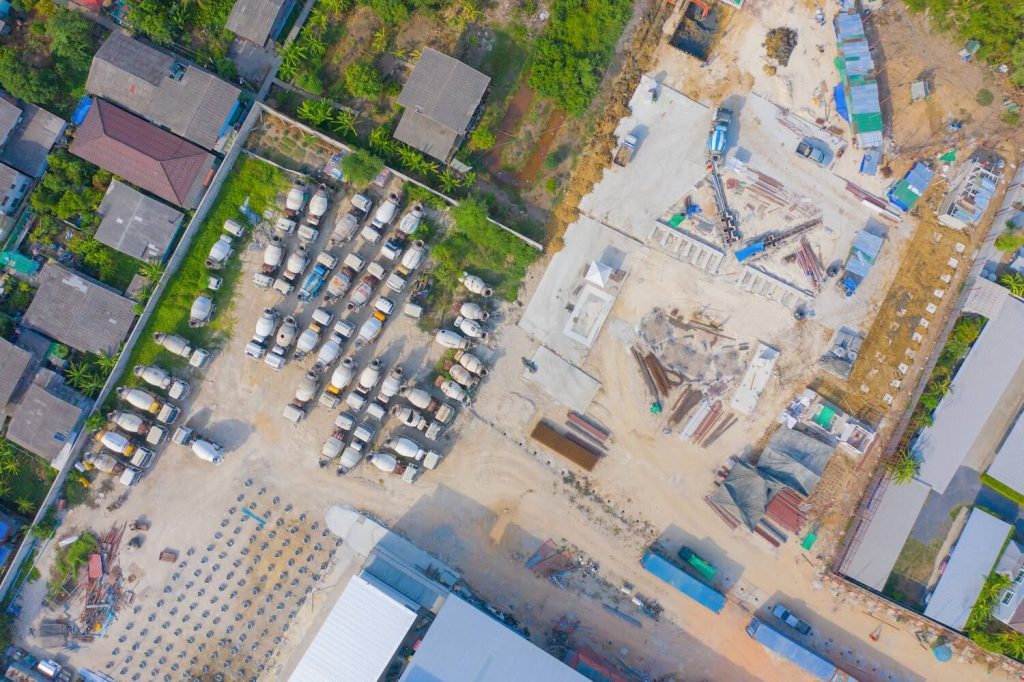
This is the promise of dedicated outdoor storage yards in the Miami area. Far from being simple empty lots, these facilities are a strategic extension of a modern agricultural business, designed to provide crucial overflow capacity exactly when and where it’s needed most. They offer a powerful alternative to the traditional, rigid constraints of brick-and-mortar warehousing.
A Strategic Buffer for Peak Periods
Outdoor storage yards act as a vital buffer, absorbing the initial shock of large-scale shipments and providing a staging area for goods before they are moved to their final destination. This approach allows businesses to maintain a lean, efficient core operation while having a safety valve ready for periods of high volume.
What to store outside? The versatility of these yards is often underestimated:
- Packaged and Palletized Goods: Many goods, from packaged dried fruits and nuts to canned tropical juices and non-perishable food products, are ideal candidates for secure, outdoor storage. With proper wrapping and a quick turnover, they can be staged here to free up valuable interior space.
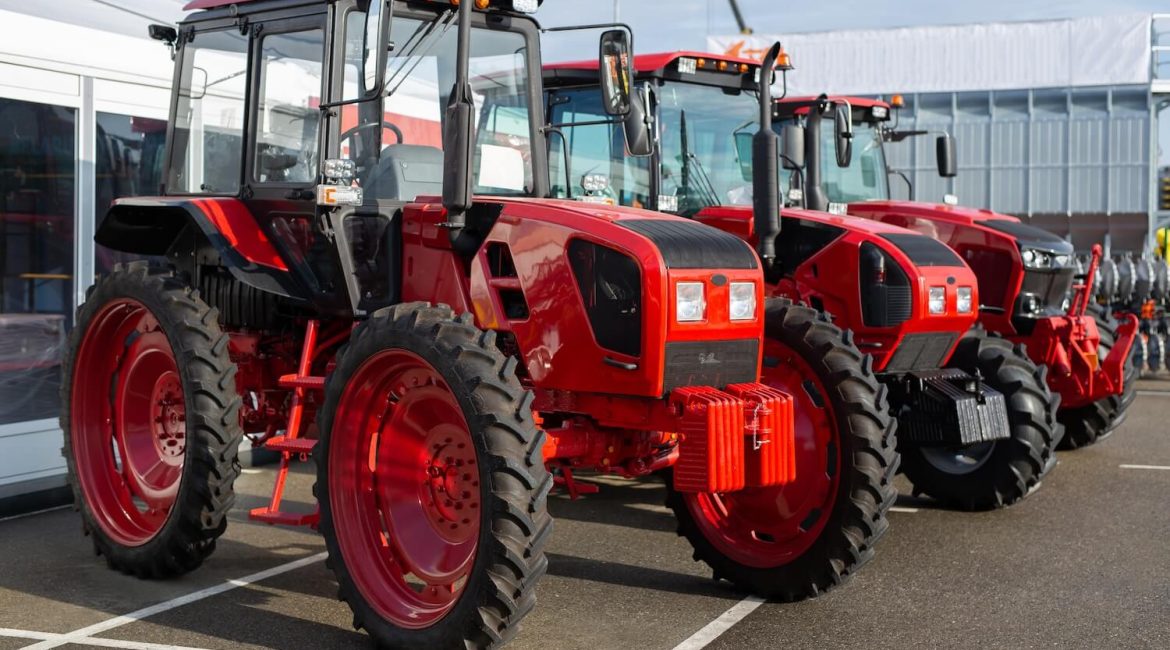
- Specialized Machinery and Equipment: Processing equipment, large-scale packaging machines, and agricultural implements often sit idle during the off-season. Storing them securely outdoors frees up thousands of square feet in a warehouse that could be used for revenue-generating inventory.
- The Staging of Temperature-Sensitive Produce: While outdoor storage is not a replacement for cold storage, it can play a crucial role in a well-managed cold chain. Pre-cooled produce, properly packaged and destined for rapid distribution, can be staged for a matter of hours or a day in a secure yard, accelerating the turnover of goods and reducing the overall load on a main facility. This is particularly effective for high-volume, quick-turnaround items moving through Miami’s busy ports.
The Benefits: Beyond Simple Space
The advantages of this strategic approach extend far beyond simply having a place to put things. It’s about building a more resilient, cost-effective, and agile operation.
Financial and Operational Advantages
- Cost-Effective Scalability: Unlike a permanent warehouse, outdoor storage can be rented on a flexible, seasonal basis. You only pay for the space you need, when you need it, avoiding the significant capital investment and long-term commitment of a new building. This transforms a fixed cost into a variable one, aligning your expenses with your revenue cycles.
- Improved Logistics and Efficiency: By using an outdoor yard as a staging area, you can streamline the flow of goods into and out of your main facility. This reduces congestion, accelerates loading and unloading times, and minimizes the need for costly and time-consuming double-handling.
- Enhanced Security and Control: Modern outdoor storage yards are equipped with advanced security measures, including fencing, controlled access points, and 24/7 surveillance. This provides peace of mind, knowing that your valuable inventory is protected.
- Location, Location, Location: The value of these solutions is amplified when the yards are strategically located near key transportation hubs and the Port of Miami. This proximity drastically reduces transit times and costs, which is paramount for a business where every hour counts.
A New Mindset: From Problem to Strategic Advantage
The conversation needs to shift. The question is no longer “How do we survive overflow season?” but rather, “How can we leverage overflow season for strategic advantage?” By embracing flexible, scalable outdoor storage, agribusinesses and farm supply companies can turn a perennial challenge into a competitive edge.
This approach empowers you to:
- Say “Yes” to Larger Orders: With a reliable overflow solution, you can confidently accept larger, more profitable shipments without the fear of a logistical breakdown.
- Optimize Your Main Facility: Freeing up space in your primary warehouse allows you to use it for its highest and best purpose: holding premium goods that require constant climate control, setting up efficient picking and packing stations, or expanding your processing capabilities.
- Reduce Stress and Increase Focus: By eliminating the frantic scramble for last-minute storage, you can redirect your energy toward what truly matters: growing your business, nurturing customer relationships, and seizing new opportunities.
The import logistics landscape in Miami is dynamic and demanding. For those in the agricultural sector, success hinges on adaptability. The era of seeing overflow as a problem to be solved with an expensive, permanent solution is over. The future lies in a smarter, more agile approach.
Manage your seasonal surges and import needs with Johnson Commercial Logistics’ flexible outdoor storage solutions in Miami, FL. Take control of your inventory, optimize your operations, and turn your busiest seasons into your most profitable.
FAQ: Your Top Questions About Outdoor Agricultural Storage
Q: Is outdoor storage safe for agricultural goods?
A: Yes, for many types of goods. Our outdoor storage facilities are designed for the specific needs of agribusinesses. This includes secure, fenced perimeters, advanced surveillance, and controlled access. This security ensures that goods like packaged produce, dry goods, and machinery are protected. While it’s not suitable for all produce, it’s a strategic option for those with quick turnover rates or for non-perishable items.
Q: How does this help with temperature-sensitive produce?
A: Outdoor storage is a critical link in the cold chain for high-volume, quick-turnaround items. For example, a large shipment of pre-cooled, packaged mangoes arriving from the port can be quickly moved to a secure outdoor yard for staging. This prevents the shipment from overwhelming your main cold storage facility, allowing you to manage a smooth and rapid distribution process. The key is the quick turnover, minimizing the time spent outside a controlled environment.
Q: Is this a cost-effective alternative to building a new warehouse?
A: Absolutely. Building a new warehouse is a significant capital investment with long-term commitments. Our outdoor storage solutions offer flexible, scalable capacity that you can lease on a seasonal basis. This allows you to align your storage costs with your business cycles, paying for extra space only when you need it. This model is far more efficient and financially prudent for managing periodic inventory surges.
Q: Where are the outdoor storage yards located?
A: Our yards are strategically located in the Miami area, with close proximity to the Port of Miami and major transportation arteries. This prime location is a key factor in our value proposition, as it minimizes drayage costs and transit times, which are crucial for perishable goods.
Q: What kind of agricultural products can be stored outdoors?
A: While not every product is a fit, outdoor storage is ideal for:
- Palletized and packaged dry goods (e.g., rice, beans, spices)
- Canned and bottled goods (e.g., juices, sauces)
- Non-refrigerated produce with a short staging period and quick turnover
- Agribusiness equipment and machinery
- Packaging materials and other non-perishable supplies
Q: How can I get started with an outdoor storage solution?
A: The first step is a consultation. We’ll discuss your specific import logistics, seasonal challenges, and inventory needs. Based on this, we can design a flexible storage plan that provides the space you need, exactly when you need it. This proactive approach will help you prepare for your next overflow season with confidence.