
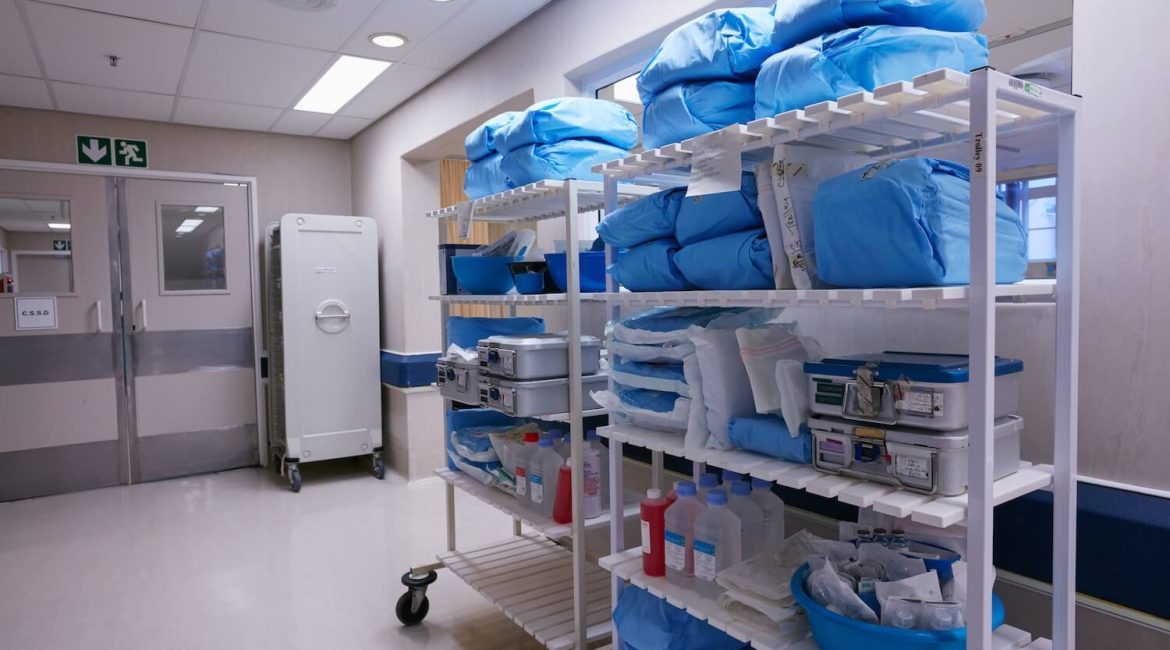
It is 2:14 a.m. in an Indianapolis hospital, and the hum of the facility is heavy with quiet tension. Across town, a multi-million-dollar health system consolidation is underway, and a crate containing a newly calibrated MRI component sits temporarily in a standard, unmonitored commercial warehouse where the overnight humidity has quietly crept past critical thresholds. For hospital administrators and medical supply chain coordinators, the nightmare isn’t just a missed delivery window; it is the sinking realization that invisible environmental shifts are actively degrading micro-circuitry, threatening equipment compliance, and jeopardizing patient care before the device ever touches a clinical floor.
When facility transitions, infrastructure upgrades, or system expansions force the temporary relocation of high-value healthcare assets, the stakes extend far beyond logistics. They touch the heart of clinical reliability and capital stewardship. For healthcare leaders navigating these transitions across the Midwest logistics capital, safeguarding delicate technology requires a fundamental shift in how we view storage: not as a passive warehouse box, but as an active, clinical extension of the hospital environment.
What causes calibration drift and warranty voids in stored medical equipment?
Calibration drift and voided warranties occur when sensitive diagnostic and surgical machinery is exposed to uncontrolled ambient conditions, specifically, rapid relative humidity fluctuations and micro-temperature swings that warp internal optics, corrode microscopic circuit traces, and violate strict OEM environmental mandates.
When moving or staging complex assets like diagnostic imaging units or surgical robotics, standard commercial warehousing often introduces invisible environmental hazards. Medical manufacturers build their systems to operate within tightly engineered hospital envelopes, usually stable room temperatures and strictly regulated moisture levels. When those systems are dropped into warehouses that lack medical-grade environmental envelopes, physical science takes over.
- Moisture Migration and Micro-Circuitry: Even microscopic levels of excess humidity can cause condensation inside sealed electronic assemblies, leading to micro-corrosion on delicate logic boards and sensor arrays.
- Thermal Shock and Material Stress: Rapid temperature cycling causes disparate materials within lasers, collimators, and sensors to expand and contract at different rates, throwing delicate optical alignments completely out of true.
- OEM Compliance Traps: Most original equipment manufacturer (OEM) warranties explicitly tie coverage to continuous adherence to storage temperature and humidity logs. If those thresholds are breached during a facility transition, repair liabilities fall squarely on the hospital’s balance sheet.
How does precision humidity control protect delicate medical micro-circuitry?
Precision humidity control maintains an absolute moisture equilibrium, typically keeping relative humidity strictly between 45% and 55%, which prevents electrostatic discharge vulnerabilities, oxidation on gold-plated connectors, and degradation of sensitive sensor polymers during medium- and long-term storage.
Inside a modern diagnostic scanner or a robotic console, the density of electronic engineering is staggering. These devices rely on sub-micron pathways and ultra-sensitive detectors that do not tolerate environmental variance. Standard heating and cooling systems installed in typical industrial real estate are designed for human comfort, not equipment preservation; they allow humidity to swing wildly with Indianapolis’s seasonal weather shifts.
- Preventing Oxidation: Controlling absolute dew points stops moisture from settling on exposed contact points, preserving the integrity of low-voltage data transmission cables.
- Safeguarding Optical Assemblies: Laser-guided surgical systems feature glass and crystal components that can fog, etch, or delaminate if subjected to prolonged high-humidity micro-climates.
- Mitigating Static Risks: Overly dry air, conversely, introduces severe electrostatic discharge (ESD) risks that can fry unpowered solid-state drives and motherboards instantly. Medical-grade facilities balance humidity to eliminate both extremes.
Why is asset lifecycle protection critical during healthcare facility transitions?
Asset lifecycle protection preserves the residual and operational value of capital equipment by ensuring continuous, compliant care during moves, protecting the investment from premature depreciation and extending its active clinical lifespan by years.
Healthcare capital expenditure is under constant scrutiny. A single MRI machine or robotic surgical system represents a multi-million-dollar commitment meant to generate clinical value over a decade or more. Yet, during a facility merger, wing renovation, or network expansion, these assets are frequently treated like standard freight, subjected to rough handling and substandard temporary holding conditions.
- Preserving Depreciation Schedules: Premature wear or environmental damage during transit and storage accelerates asset degradation, forcing unexpected early replacement cycles.
- Bridging the Gap Seamlessly: Utilizing purpose-built staging environments ensures that when an asset is redeployed, it powers up cleanly, passes quality assurance testing on the first run, and integrates immediately into the clinical rotation.
- Eliminating Operational Downtime: When equipment arrives on-site fully compliant and verified, clinical teams avoid the cascading delays of emergency recalibrations, keeping patient care schedules intact.
What secure warehouse protocols are required for high-value medical machinery?
Secure medical warehousing demands multi-tiered physical and digital security protocols, including biometric access control, 24/7 closed-circuit monitoring, segregated high-value asset cages, and real-time environmental telemetry dashboards, to protect against theft, tampering, and undocumented environmental excursions.
Medical devices are high-stakes targets not only because of their financial worth, but because of their irreplaceable nature in an active supply chain. Standard commercial storage facilities with generic chain-link partitions and sporadic night patrols fall dangerously short of what healthcare compliance demands.
- Restricted Chain of Custody: Access to medical storage bays must be restricted to vetted, background-checked personnel, with every entry and exit logged digitally.
- Continuous Environmental Telemetry: Modern facilities utilize hardwired, NIST-traceable sensors that log temperature and humidity every few minutes, generating verifiable audit trails that satisfy both hospital compliance officers and OEM inspectors.
- Segregated Handling Zones: High-value robotic arms, imaging gantries, and sensitive analytical lab equipment require dedicated floor space free from dust-producing industrial neighbors or heavy vibrating machinery.

What are the hidden costs of staging locally versus out-of-market shipping?
| Operational Category | Staging Locally (Indianapolis Medical Hub) | Out-of-Market Shipping & Staging |
| Transit Vibration & Shock Risk | Minimal: Short transit legs from regional hospitals to secure local hubs drastically reduce mechanical shock and micro-vibration exposure. | High: Extended cross-country highway or rail miles increase cumulative stress on sensitive optics, lasers, and micro-circuitry. |
| Emergency Deployment Speed | Immediate (Hours): Rapid dispatch capabilities allow backup assets to reach regional clinical floors the same day a critical machine fails. | Delayed (Days): Multi-day transit windows leave clinical suites dark and patient care schedules disrupted while waiting for freight arrival. |
| Freight & Logistics Overhead | Optimized: Lower fuel burn, shorter driver hours, and reduced line-haul expenses protect stretched capital expenditure budgets. | Exorbitant: High long-distance freight rates, specialized escort requirements, and expensive expedited shipping surcharges. |
| Visibility & Site Access | High Control: Easy for hospital supply chain coordinators and compliance officers to conduct impromptu facility audits and inventory checks. | Low Oversight: Distance makes regular physical inspections, pre-deployment walkthroughs, and hands-on validation difficult to execute. |
| OEM & De-Installation Handoffs | Seamless: Local synchronization between regional rigger crews, OEM engineers, and storage teams ensures smooth, unbroken chains of custody. | Fragmented: Coordinating multiple distant vendors increases miscommunication risks during complex handoffs. |
How to vet a medical storage provider: A procurement checklist
Navigating internal hospital auditing frameworks and risk-management compliance requires absolute transparency from third-party vendors. When evaluating commercial real estate or logistics operators who claim to handle “medical gear,” standard warehouse metrics do not apply. Hospital supply chain leaders should require potential partners to satisfy a rigorous evaluation framework before signing any contract:
- NIST-Traceable Sensor Calibration: Ask how temperature and relative humidity sensors are calibrated and how often calibration records are audited to satisfy manufacturer compliance standards.
- Redundant Power Infrastructure: Verify whether the facility features automatic transfer switches, multi-day backup generator capacity, and independent climate zones to prevent catastrophic failures during regional grid outages.
- Chain-of-Custody Protocols: Ensure that access to high-value storage bays utilizes biometric or card-key credentialing, permanent digital visitor logs, and comprehensive 24/7 video archiving.
- Specialized Cargo and Bailee Insurance: Confirm that the provider carries warehouseman’s legal liability and inland transit policies specifically scaled to cover multi-million-dollar capital medical machinery without standard commercial payout caps.
- Audit-Ready Reporting: Ensure the provider can instantly pull and export historical environmental telemetry logs to satisfy internal hospital quality assurance reviews or regulatory inspections.
What’s Included in Johnson Commercial Solutions’ Medical Storage Ecosystem?
For supply chain coordinators and hospital administrators managing complex logistics footprints across the Midwest, having a reliable, integrated partner changes everything. Johnson Commercial Solutions delivers a comprehensive, single-point-of-contact storage and staging framework designed specifically for healthcare realities:
- Climate-Controlled Medical Warehousing: Advanced HVAC systems engineered to maintain strict, verifiable temperature and humidity bands tailored to sensitive electronics.
- Real-Time Client Dashboards: 24/7 digital visibility into your stored assets, complete with live environmental data logs, chain-of-custody tracking, and scheduled maintenance alerts.
- Specialized Handling & Rigging: Expert crews trained in the delicate physics of moving surgical robots, diagnostic imaging units, and laboratory assets without inducing mechanical shock.
- Integrated Logistics Coordination: Seamless door-to-door project management connecting your origin facility, our secure Indianapolis staging hub, and your final clinical installation point.
- Single Point of Contact: A dedicated logistics project manager who owns your timeline from the initial site survey to the final placement, eliminating miscommunication between multiple vendors.
Frequently Asked Questions
How does Indianapolis’s climate affect stored medical equipment?
Indianapolis experiences significant seasonal humidity swings and temperature extremes. Without dedicated, medical-grade climate control, these shifts cause condensation, thermal expansion stress, and rapid degradation of sensitive internal electronics in stored equipment.
Can standard commercial warehouses invalidate my equipment warranties?
Yes. Most original equipment manufacturers (OEMs) specify strict environmental thresholds in their warranty terms. Storing equipment in facilities that cannot provide certified temperature and humidity logs can void your warranty coverage entirely.
How do I monitor my equipment while it is in off-site storage?
Johnson Commercial Solutions provides secure, real-time client dashboards. You can check the exact temperature, humidity, and security status of your stored assets at any time from your computer or mobile device.
What types of healthcare assets can be stored in your Indianapolis facility?
Our facility is equipped to handle a wide range of capital equipment, including MRI and CT scanners, surgical robotic systems, diagnostic lab analyzers, X-ray equipment, and sensitive patient monitoring arrays.
How does a single point of contact simplify hospital facility transitions?
Instead of coordinating separately with movers, storage providers, refrigeration technicians, and rigging crews, a single dedicated project manager oversees your entire inventory, timeline, and compliance documentation, drastically reducing administrative friction and risk.
What steps are taken to secure high-value medical machinery against theft?
Our secure warehouse utilizes biometric access controls, 24/7 closed-circuit video surveillance, restricted high-value asset cages, and rigorous visitor logging to ensure complete chain-of-custody security.
Ready to Protect Your Capital Investments?
Facility transitions and equipment staging do not have to be a source of constant anxiety. By partnering with a logistics team that understands the clinical, financial, and operational realities of modern healthcare, you can safeguard your equipment, maintain your warranties, and ensure a seamless path to clinical readiness.
Protect your capital investments and maintain strict manufacturer warranties. Request a secure storage quote from Johnson Commercial Solutions for a climate-controlled medical storage facility in Indianapolis now!
