The Denver skyline, a testament to relentless growth and ambitious vision, is a constant construction site. Cranes punctuate the horizon, and new structures seem to sprout overnight. Yet, beneath this visible progress lies a complex ballet of logistics, a delicate dance between demolition and groundbreaking, between the completion of one phase and the commencement of the next. It is in this often-overlooked interstitial period, commonly referred to as “Between Builds,” that many real estate developers in Denver encounter their most persistent, and often most expensive, challenges related to real estate development storage in Denver and construction staging yards in Denver.
Understanding the Financial Drain of On-Site Construction Storage
Imagine a bustling construction site, the heart of a multi-million dollar project. Now, picture it choked with the remnants of the old and the promise of the new. Demolition debris, valuable salvaged architectural elements, excess materials from a previous phase, specialized equipment awaiting its turn – all vying for precious space on a constrained urban lot. This isn’t just an inconvenience; it’s a silent drain on resources, a collection of hidden costs that erode profit margins and extend project timelines. Recognizing and addressing these issues is crucial for optimizing costs and efficiency for Denver’s growing real estate market.
The Compounding Impact of Site Stagnation
Every square foot on an active construction site is undeniably valuable. When that critical space is consumed by inert materials or idle equipment, it initiates a compounding effect of inefficiencies. Construction crews must painstakingly navigate around obstacles, essential material deliveries are frequently delayed or require complex re-routing, and the entire flow of work inevitably slows to a less productive pace. This stagnation on construction sites isn’t merely about lost time; it directly translates into escalating labor costs, the risk of missing critical deadlines, and potentially significant contractual penalties.
The True Cost of Material Relocation on Active Sites
Consider what might seem like the simple act of moving construction materials. On a cluttered site, a pallet of bricks isn’t just lifted and placed; it’s shifted, then often shifted again, and then perhaps moved a third time to accommodate a concrete pump or a framing crew. Each relocation demands labor, requires specific equipment, and consumes precious project time. These seemingly minor movements, when aggregated over the course of a project, accumulate into substantial, often unbudgeted, expenses. The cost of repeatedly handling materials on a cramped construction site can frequently far outweigh the perceived convenience of having them “on hand.” This highlights a key aspect of material relocation costs in Denver.
Mitigating Escalating On-Site Liability and Project Risk
Beyond the tangible financial costs, the practice of on-site storage significantly amplifies various project risks. Piles of stored materials inherently become tripping hazards, increasing the potential for worker injuries. Valuable equipment left unattended or improperly secured is vulnerable to theft or vandalism. Furthermore, the prolonged exposure of sensitive materials to the elements can lead to costly damage and require expensive replacements. Moreover, the sheer volume of miscellaneous items present on a construction site dramatically increases the overall potential for accidents, which can lead to workers’ compensation claims, increases in insurance premiums, and even costly legal action. A crowded job site isn’t merely inefficient; it’s a perpetual liability waiting for a misstep, a constant source of anxiety for project managers and developers alike, underscoring the importance of managing temporary construction storage in Colorado.
The Strategic Imperative: Leveraging Outdoor Construction Storage Yards
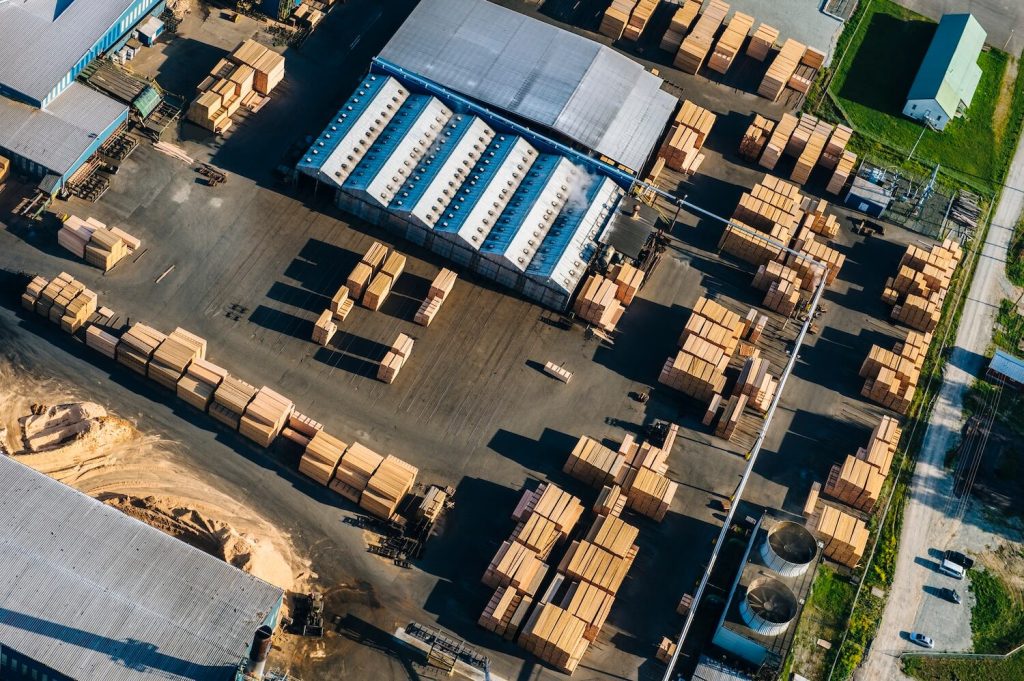
The comprehensive solution to these pervasive challenges isn’t found by simply attempting to build faster or attempting to squeeze even more onto an already packed urban construction site. Instead, it lies in a strategic re-evaluation of the entire “Between Builds” period. Real estate developers in Denver are increasingly recognizing and embracing the transformative power of dedicated outdoor storage yards as a critical and indispensable component of their overall project logistics. These facilities are far more than just vacant lots; they are purpose-built, highly secure environments specifically designed to serve as an extension of the primary construction site, acting as a vital buffer in the often-chaotic flow of a large-scale development project.
Optimizing Crane Operations and Dramatically Reducing Downtime
Few pieces of heavy equipment are as critical to a construction project, or as financially significant, as a crane. Its efficient and continuous operation is absolutely paramount to overall project success. When a construction site is cluttered with materials not immediately needed for current tasks, the crane’s utility is severely compromised. It spends valuable billable time repositioning existing items, waiting for clear access, or sitting completely idle because the next phase of materials cannot be adequately staged on the active site. This scenario directly contributes to crane downtime.
Dedicated outdoor storage yards offer a highly effective solution to this financially draining dilemma. By meticulously staging the next phase of structural steel, pre-fabricated building components, or massive HVAC units at an off-site yard, materials can be delivered precisely when and where they are needed, and critically, in the exact sequence required for efficient installation. This just-in-time delivery model entirely eliminates the need for extensive on-site material shuffling, thereby freeing the crane to perform its primary, high-value function: lifting and accurately placing structural elements. The resulting reduction in crane downtime alone can lead to significant savings in rental fees and dramatically accelerate overall project timelines, creating a powerful and positive ripple effect across all trades involved in the construction.
Eliminating Costly Material Relocation and Minimizing Construction Waste
The incessant, repetitive relocation of materials on a cramped construction site is a significant, yet often unquantified, cost sink for developers. Whether it involves moving bundles of rebar to create space for a concrete pour or shifting insulation to allow for the progression of framing, each movement incurs additional labor hours and inherently introduces the risk of material damage.
Outdoor storage yards provide a comprehensive solution that not only effectively eliminates expensive material relocation but also actively fosters greater overall resource efficiency and sustainability within the project. Excess materials from a previous construction phase – be it a slight over-order of concrete, a surplus pallet of tiles, or a batch of specialized fittings – can be securely stored and meticulously inventoried. This strategic approach prevents costly disposal fees associated with surplus materials and enables their seamless reintegration into later stages of the current project or even their repurposing for future developments. Similarly, highly valuable salvaged items from demolition projects, such as historic brickwork, ornate railings, or unique timber beams, can be meticulously preserved without consuming crucial on-site space, effectively protecting these valuable assets until they are ready to be integrated into the new build, thereby adding character, sustainability, and significant value. This method transforms potential waste into valuable, accessible resources, directly addressing material relocation costs in Denver.
Proactively Mitigating On-Site Liability and Enhancing Property Security Measures
An active construction site, by its very nature, is an inherently high-risk environment. The greater the volume of miscellaneous materials, idle equipment, and even demolition debris present on-site, the correspondingly greater the potential for accidents, theft, or damage to valuable assets. Each item physically stored on the primary construction site represents a potential hazard, a security vulnerability, or an impending insurance claim waiting to materialize.
By strategically moving non-essential, future-phase, or valuable salvaged materials to a secure off-site location, developers can significantly minimize liability on active construction sites. Reputable outdoor storage yards are typically equipped with robust, multi-layered security measures, including comprehensive perimeter fencing, advanced surveillance systems, strict access control protocols, and dedicated security personnel. This secure external environment provides superior protection for valuable construction assets from theft and vandalism while drastically reducing the risk of on-site accidents directly related to material clutter and obstruction. It provides invaluable peace of mind, allowing project managers and construction teams to focus intensely on critical construction progress rather than constantly diverting resources to monitor inventory or mitigate on-site hazards. This strategic reliance on off-site security contributes demonstrably to a safer working environment and can even lead to more favorable insurance rates due to reduced risk exposure, a key consideration for temporary construction storage in Colorado.
Streamlining the Crucial Transition Between Development Stages
Perhaps the most profound and impactful benefit of systematically utilizing outdoor storage yards lies in their unparalleled ability to streamline the transition between distinct development stages. The critical period between the completion of demolition and the commencement of foundation work, or similarly, between the completion of structural framing and the initiation of interior finishes, is frequently a significant bottleneck in project schedules. Often, materials for the next phase arrive on-site before they are truly needed, creating counterproductive clutter, or conversely, costly delays occur because essential materials are not available precisely when they are required.
Outdoor storage yards effectively function as a dynamic and highly efficient construction staging yard in Denver. They serve as a crucial logistical hub where diverse construction materials can be aggregated, meticulously sorted, and thoroughly prepared for precise, just-in-time delivery to the active primary construction site. This level of precise coordination fundamentally minimizes disruptions, drastically reduces the need for expensive, last-minute material rushes, and empowers on-site construction teams to maintain an unwavering focus solely on their immediate, high-priority tasks. The transition from one complex stage of development to the next becomes a fluid, highly efficient process rather than a series of disjointed starts, frustrating stops, and costly adjustments. This proactive and strategic approach ensures that all necessary materials are consistently available exactly when needed, but critically, they never overwhelm the active construction footprint, thereby optimizing both the overall costs and the comprehensive project efficiency for Denver’s rapidly expanding and demanding real estate market.
Redefining Construction Efficiency for Denver’s Real Estate Developers
For real estate developers and general contractors operating within the dynamic Denver market, the inherent challenges of managing materials and equipment between builds are not merely logistical hurdles to overcome; they represent significant strategic opportunities for competitive differentiation. Embracing the innovative concept of dedicated outdoor commercial storage yards transforms these challenges into powerful competitive advantages. It represents a fundamental paradigm shift from a reactive, solely on-site problem-solving approach to a proactive, highly integrated logistical strategy that encompasses the entire project lifecycle.
In a market as intensely dynamic and competitive as Denver’s, where every invested dollar and every crucial project day carries immense weight, optimizing the “Between Builds” phase is no longer a mere luxury—it has become an absolute necessity for sustainable success. It’s about far more than simply finding additional physical space; it’s about intelligent resource management, comprehensive risk mitigation, and ultimately, establishing a more predictable, more efficient, and demonstrably more profitable real estate development pipeline.
Optimize your development projects with Johnson Commercial Storage‘s strategic outdoor storage yards in Denver. Discover how seamless transitions, reduced operational costs, and enhanced project control can fundamentally redefine your next build.