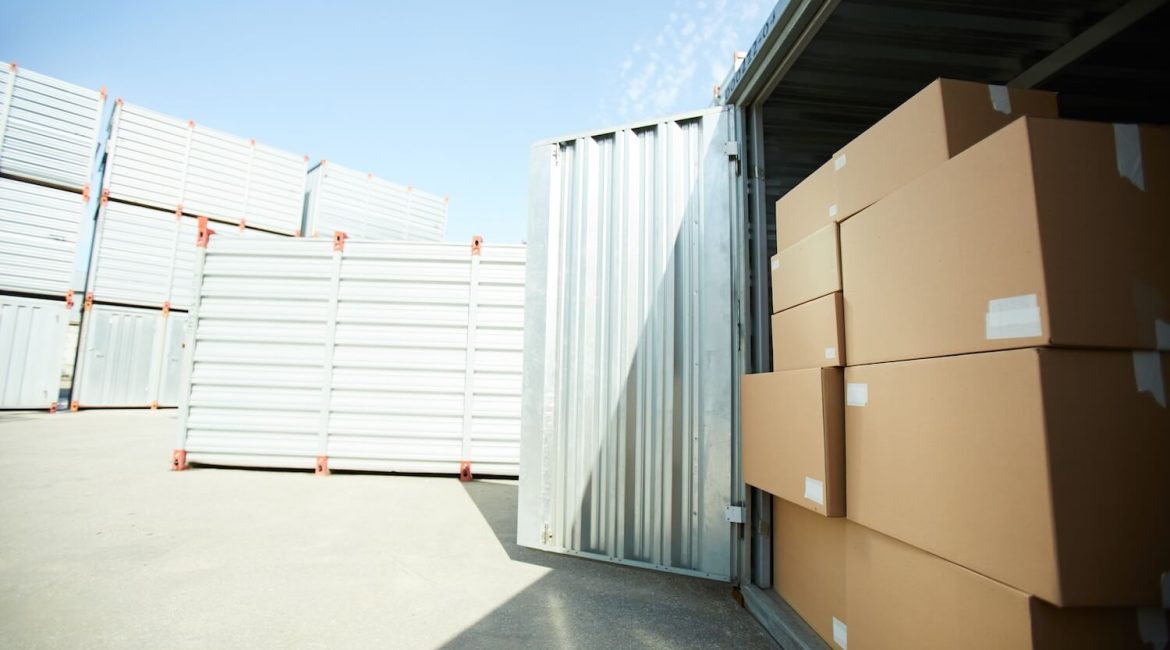
The morning sun casts long shadows across contractor yards nationwide, illuminating a scene of familiar, low-grade chaos. Owners, like many of you reading this, watch as crews wrestle with pallets of pavers, trying to squeeze them onto already overflowing flatbeds. The tension is palpable. Another delivery was late yesterday because a truck was stuck across town picking up a specific type of river rock. Today, it’s the pavers. Every day, it’s something. This frustration isn’t just about lost time; it’s about lost opportunities, lost trust, and the slow, insidious erosion of a company’s hard-earned reputation.
Across the country, landscaping supply companies and distributors grapple with a fundamental paradox: their business thrives on delivering nature’s bounty, but nature’s bounty—from towering trees to tons of topsoil—is notoriously bulky, perishable, and often, highly seasonal. The rhythm of the seasons dictates demand, creating unpredictable surges and lulls. One week, everyone needs mulch; the next, it’s intricate hardscaping materials. This inherent volatility, combined with the sheer physical volume of materials, transforms distribution into a relentless, often reactive, battle.
The traditional hub-and-spoke model, with a central warehouse serving a vast territory, increasingly feels like a straitjacket. It means trucks traversing vast distances, burning expensive fuel and even more valuable time. It means a constant internal tug-of-war between carrying enough inventory to meet demand and avoiding the crushing cost of overstocking. And it means that the “last mile”—that critical final leg of delivery to a job site—becomes a bottleneck, a chokepoint where efficiency withers and profit margins bleed out.
Imagine the scenario: A landscape architect in a burgeoning new development needs a specific type of native plant for a project that just got fast-tracked. Your central warehouse is 150 miles away. You have the plant, but the delivery slot is three days out because your trucks are tied up on long-haul runs. The architect, facing a deadline, will undoubtedly look elsewhere. This isn’t just a lost sale; it’s a crack in the foundation of a potential long-term relationship. It’s the quiet whisper of a competitor stepping in.
The truth is, many in the landscaping supply industry are operating with distribution models designed for a different era—a time before instant gratification became the norm and before online reviews could decimate a business overnight. They’re trying to fit square pegs into round holes, constantly patching, improvising, and ultimately, accepting inefficiency as an unavoidable cost of doing business. But what if there was a different way? A way to reclaim control, cut costs, and genuinely delight customers with speed and reliability?
This isn’t about building more enormous, centralized warehouses. It’s about a smarter, more agile approach: strategically located outdoor yard storage. It’s about recognizing that the greatest competitive advantage isn’t always found within four walls, but often, under the open sky.
Reimagining the Landscape of Distribution Operations
Think of it as decentralization in its most practical form. Instead of one massive distribution center trying to serve an entire region, imagine a network of smaller, strategically positioned outdoor yards. These aren’t just empty lots; they are purpose-built spaces designed for the unique demands of landscaping materials: robust surfacing for heavy loads, secure fencing, proper drainage, and often, basic office facilities for on-site management.
Drastically Reducing Last-Mile Delivery Costs
The immediate, most tangible benefit of this distributed network is the dramatic reduction in last-mile delivery costs. The last mile is notoriously the most expensive and time-consuming part of any supply chain. By bringing your inventory closer to your customers—whether they are residential landscapers, commercial contractors, or municipal parks departments—you drastically shrink the distance your trucks have to travel.
Consider the ripple effect: Shorter routes mean less fuel consumption, lower maintenance costs for your fleet, and significantly less wear and tear on your vehicles. Your drivers spend less time on the road battling traffic and more time efficiently making deliveries. This isn’t just about saving pennies; it’s about optimizing an entire operational artery. Those cost savings can be reinvested into other areas of your business, or, even better, passed on to your customers, making your pricing more competitive.
Improving Delivery Times and Enhancing Customer Satisfaction
Beyond the immediate financial gains, decentralized outdoor storage fundamentally transforms your delivery times. No longer are your customers waiting for a truck to complete a multi-stop, cross-county journey. Instead, materials can be dispatched from the nearest yard, often arriving on-site within hours, not days. This rapid response capability is a game-changer. It means your customers can:
- Handle last-minute job site changes with ease: A sudden need for more aggregate? A quick call and it’s on its way.
- Reduce their own on-site storage needs: They don’t need to clutter their valuable job sites with materials arriving days in advance.
- Improve their project timelines: Faster material delivery translates directly to faster project completion, allowing them to take on more work and keep their crews busy.
- Build unwavering trust: Reliability is the bedrock of strong business relationships. When you consistently deliver on time, every time, you become an indispensable partner.
This shift isn’t merely about speed; it’s about agility. In an industry where weather patterns, permit approvals, and client whims can alter a project’s course in an instant, the ability to respond swiftly and efficiently is paramount.

The Symphony of Inventory Management Across a Wider Service Area
The benefits of off-site yard storage extend far beyond delivery logistics. It also fundamentally redefines inventory management. Imagine having precise, real-time visibility into your stock levels across multiple locations. This network allows for:
Optimized Yard Stocking and Local Responsiveness
Instead of a single, massive inventory gamble, you can tailor the stock at each yard to the specific demands and seasonal variations of its immediate geographic area. A yard near a cluster of new residential developments might prioritize certain hardscaping materials, while one closer to an agricultural zone might focus on bulk soils and fertilizers. This hyper-local stocking minimizes carrying costs and reduces the risk of dead stock.
Moreover, a decentralized network enables enhanced responsiveness to local trends. Spotting a surge in demand for a particular ornamental tree in one county? You can quickly reallocate inventory from a nearby yard or expedite a direct shipment, rather than having to transport it across a vast, inefficient network. This agility ensures you meet demand precisely where it arises.
Enhanced Risk Mitigation and Improved Cash Flow
A single point of failure—a fire, a flood, or a major equipment breakdown at a central warehouse—can cripple an entire operation. A distributed network of yards provides redundancy, ensuring that disruptions in one location don’t bring your entire distribution to a halt. This resilience is invaluable in an unpredictable market.
Furthermore, by avoiding the need to hold enormous quantities of diverse inventory at a single, expensive facility, you free up valuable capital. This liquidity can be used for strategic investments, expansion, or simply to improve your company’s financial resilience.
For landscaping supply companies operating across a wider service area, this networked approach is transformative.
It allows them to maintain a strong presence in diverse markets without the prohibitive cost and logistical nightmares of traditional expansion. You can effectively be “everywhere” your customers need you to be, without the massive capital outlay of building full-scale distribution centers in each new territory.
The Yard Story Unfolds: From Frustration to Flourishing
For years, many companies have felt the pinch of their centralized distribution model. The late deliveries, the skyrocketing fuel bills, the constant pressure of limited truck capacity—it all chipped away at their enthusiasm. Then, they discover the concept of strategic outdoor storage yards.
Initially, there’s skepticism. More locations mean more management, right? But as businesses dig deeper, they realize the profound strategic advantage. Companies often start small, leasing a compact, secure outdoor yard just a short distance from their busiest service area—a rapidly expanding suburban corridor, perhaps.
The change isn’t immediate, but it’s undeniable. Within weeks, drivers are making more deliveries per day. They’re less stressed, and the fuel savings accumulate faster than anticipated. More importantly, customer feedback shifts. “You guys are amazing with your turnaround!” becomes a common refrain. The landscape architects who once looked elsewhere are now calling first.
This shift isn’t just about solving a logistical problem; it’s about unlocking a company’s potential. Businesses are able to bid on larger projects further afield, confident in their ability to deliver materials promptly. Inventory management becomes more precise, less guesswork, and more strategic. Companies even find themselves with better buying power, able to commit to larger orders from suppliers, knowing they have the agile network to distribute them efficiently.
The pavers that once caused morning headaches now flow seamlessly. The river rock arrives precisely when needed. The native plants, once a source of anxiety, are now dispatched with confidence from the nearest yard, still vibrant and ready for planting. A sense of relief settles in—a clarity that hadn’t been experienced in years. The relentless, reactive battle has transformed into a well-orchestrated, proactive strategy.
The Path Forward: Your Strategic Advantage Awaits
The landscaping supply industry is evolving. Customers demand speed, reliability, and increasingly, sustainability. Relying on outdated distribution models isn’t just inefficient; it’s a strategic vulnerability. The companies that will thrive are those willing to embrace innovation and optimize their supply chains to meet the demands of a dynamic market.
Strategic outdoor yard storage isn’t just a warehousing solution; it’s a competitive differentiator. It’s the key to reducing your operational costs, dramatically improving your delivery times, and gaining unparalleled control over your inventory. It’s about building a distribution network that is as resilient and adaptable as the landscapes you help create.
Imagine your trucks operating with peak efficiency, your customers consistently delighted by prompt service, and your inventory flowing precisely where and when it’s needed. This isn’t a distant dream; it’s an achievable reality.
The time for reactive scrambling is over. The era of strategic, decentralized distribution has arrived.
Enhance your storage distribution with our strategic outdoor storage yards.
Discover how a smarter network like Johnson Commercial Storage can transform your operations and empower your growth.