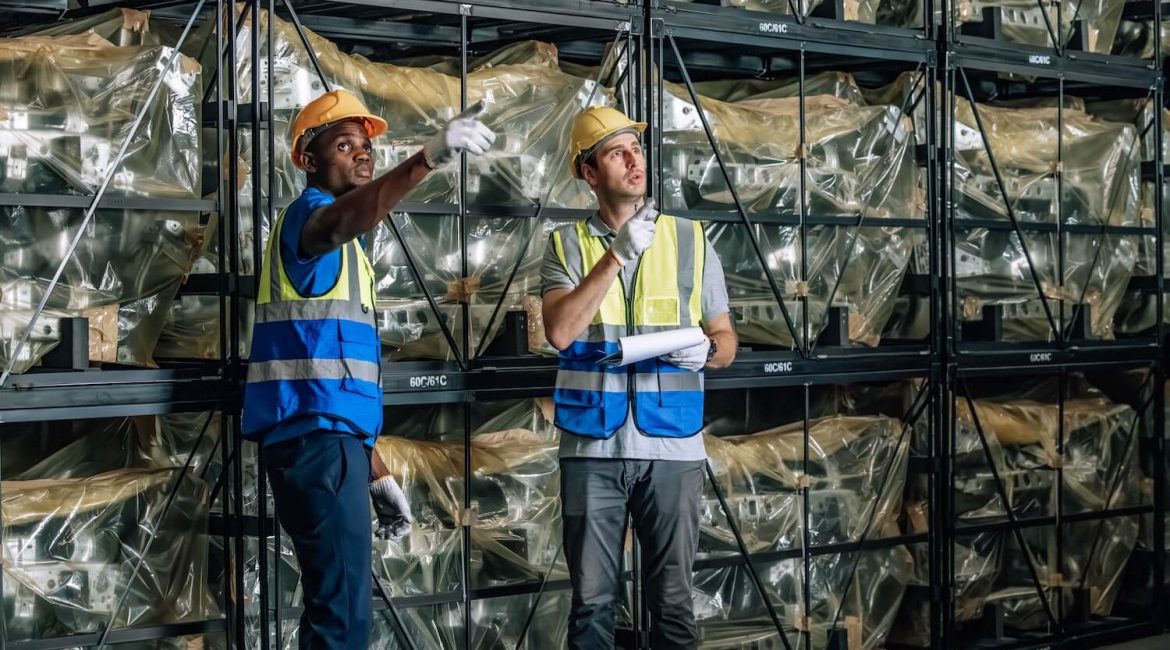
The relentless rhythm of construction – the roar of earthmovers, the staccato bursts of nail guns, the synchronized dance of cranes against the skyline – is the soundtrack of progress. Yet, beneath this energetic surface, a silent saboteur often lurks: congestion. The gradual, insidious accumulation of materials, tools, and equipment transforms the very space intended for building into a sprawling, inefficient warehouse.
Walk onto almost any construction site, and you’ll likely witness this firsthand. Stacks of lumber forming makeshift walls, pallets of bricks claiming valuable thoroughfares, expensive machinery squeezed into tight corners, their potential hampered by the surrounding clutter. This isn’t just an untidy aesthetic; it’s a fundamental misallocation of resources, a drag on productivity, and a breeding ground for unnecessary risks.
For too long, the jobsite has been treated as the default storage solution, a convenient, albeit chaotic, holding ground for everything needed to bring a project to fruition. But in today’s competitive landscape, where margins are tight and timelines are critical, this antiquated approach is no longer sustainable. It’s time to fundamentally rethink the purpose of your jobsite and recognize that its primary function is construction, not long-term storage.
Unmasking the True Costs of On-Site Clutter: A Deeper Dive
The ramifications of jobsite congestion extend far beyond the superficial inconvenience of navigating around piles of materials. They penetrate deep into the core of your operational efficiency, impacting everything from labor costs to safety records and ultimately, your profitability.
The Erosion of Time and Productivity: More Than Just Lost Minutes
- The Cumulative Impact of Searching: Consider the aggregate time your crew spends each day searching for specific items. A misplaced box of fasteners here, a buried power tool there – these seemingly minor delays compound over days, weeks, and the entire project lifecycle, translating into significant lost labor hours that directly impact your bottom line.
- The Bottleneck of Movement: Congested pathways create bottlenecks, hindering the smooth flow of both personnel and materials. What should be a quick transfer of supplies or equipment becomes a slow, cumbersome process, disrupting the carefully orchestrated sequence of construction activities.
- The Inefficiency of Double and Triple Handling: When materials are haphazardly stored, they often need to be moved multiple times – first upon delivery to a temporary location, then again to clear space, and finally to their point of use. This unnecessary handling consumes valuable time and labor, adding no direct value to the construction process.
- The Ripple Effect of Delayed Deliveries: Delivery trucks struggling to navigate a cluttered site can lead to significant delays in unloading. This, in turn, can disrupt the schedules of other trades waiting for those materials, creating a domino effect of inefficiency across the project.
- The Frustration Factor and Reduced Morale: Constant navigation through clutter and the time wasted searching for items can lead to frustration and decreased morale among your crew. This intangible cost can manifest in reduced focus and even higher turnover.
- Disruptions to Workflow and Task Sequencing: When materials are not readily accessible or pathways are blocked, it can disrupt the planned sequence of tasks, forcing crews to switch to less critical activities while waiting for the congestion to be resolved. This unplanned task switching reduces overall efficiency.
- Increased Risk of Errors and Rework: In a cluttered and disorganized environment, it’s easier for mistakes to happen. Incorrect materials might be used, or steps might be skipped due to the difficulty of accessing the right resources, leading to costly rework and delays.
- Impeded Communication and Coordination: A congested jobsite can hinder effective communication and coordination between different teams and trades. It becomes more difficult to locate personnel and to have clear lines of sight for signaling and instruction.
- Underutilization of Skilled Labor: When skilled tradespeople are spending time moving obstacles or searching for materials, their valuable expertise is being underutilized. Their time should be focused on their core skills, not on logistical challenges caused by congestion.
- Extended Project Timelines and Increased Overhead: The cumulative effect of all these time inefficiencies is an extension of the overall project timeline. This, in turn, leads to increased overhead costs, such as site management, equipment rental, and administrative expenses.
The Escalating Risks to Safety: A Price You Can’t Afford
Safety is paramount on any construction site, and congestion directly undermines your efforts to create a secure working environment.
- The Ubiquitous Trip Hazard: Piles of materials, trailing cables, and tools left scattered around are constant tripping hazards, increasing the likelihood of falls and resulting injuries, which can lead to costly worker’s compensation claims and project delays.
- The Restriction of Egress and Access: Cluttered pathways can impede the movement of workers and, critically, restrict emergency egress routes. In the event of an accident, the inability to move quickly and safely can have dire consequences. Similarly, first responders may face significant challenges accessing injured personnel in a congested environment.
- The Blind Spots and Collision Risks: Piles of stored materials can obstruct sightlines for equipment operators and ground personnel, significantly increasing the risk of collisions between machinery and workers. This not only endangers lives but can also result in costly damage to equipment and further project delays.
- The Strain on Material Handling: Workers forced to navigate around obstacles while carrying heavy materials are at a higher risk of strains, sprains, and other musculoskeletal injuries.
The Silent Drain of Supply Loss and Damage: Eroding Your Profit Margins
Treating your jobsite as an unprotected warehouse exposes your valuable assets to a range of threats.
- Theft and Vandalism Under the Cover of Chaos: A cluttered site provides ample cover for theft and vandalism. Tools, equipment, and even smaller quantities of valuable materials can easily go missing amidst the disarray, representing a direct financial loss.
- The Unforgiving Wrath of the Elements: Storing materials outdoors without proper protection leaves them vulnerable to the damaging effects of weather – rain can warp lumber and damage sensitive electronics, sunlight can degrade certain materials, and extreme temperatures can cause irreversible damage.
- The Inevitability of Accidental Damage: In the dynamic and often hurried environment of a construction site, materials and equipment are far more likely to be accidentally knocked over, run into, or otherwise damaged when stored haphazardly in high-traffic areas.
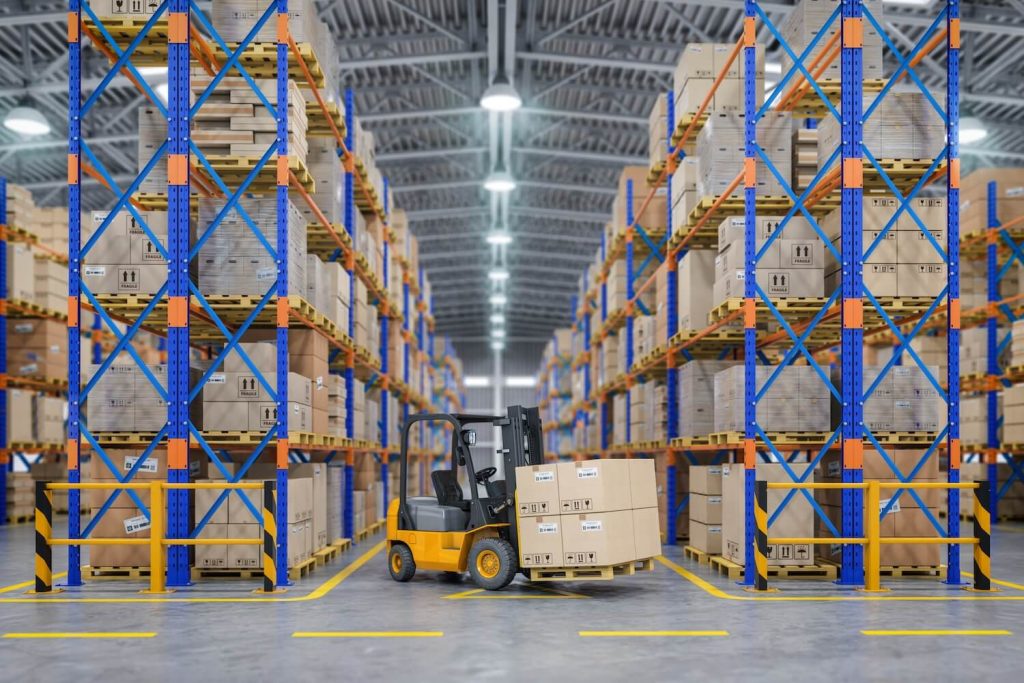
The Strategic Imperative: Embracing the Power of Off-Site Storage Space
The limitations and costs associated with on-site commercial storage paint a clear picture: it’s time for a smarter, more strategic approach. Off-site storage offers a compelling alternative, transforming the way you manage materials and equipment, and ultimately, the efficiency and profitability of your construction projects.
Unlocking a New Era of Planning Efficiency and Control
- Creating Order from Chaos: Off-site equipment storage allows you to establish a dedicated, organized environment for your materials and equipment. This centralized control makes inventory management more accurate and retrieval significantly faster.
- Implementing Just-in-Time Logistics: Instead of cluttering your jobsite with materials that won’t be needed for weeks or months, off-site storage facilitates a just-in-time delivery model. Materials arrive precisely when they are required, minimizing on-site storage needs and freeing up valuable space.
- Streamlining Material Flow: With a dedicated off-site facility, the flow of materials to and from the jobsite becomes more controlled and efficient. Deliveries can be scheduled and coordinated to minimize disruption and ensure materials are readily available when needed.
Fortifying Safety and Mitigating Risk
- Eliminating Hazards, One Pallet at a Time: By removing the bulk of stored materials and equipment from the active construction areas, you directly reduce the number of tripping hazards and create clearer, safer pathways for workers.
- Enhancing Site Visibility: A less cluttered jobsite improves overall visibility, making it easier for equipment operators and ground crews to see each other and reducing the risk of accidents.
- Securing Your Assets: Reputable off-site storage facilities offer secure environments with controlled access, surveillance systems, and protection from the elements, significantly reducing the risk of theft, vandalism, and weather-related damage.
Maximizing Space and Optimizing Resource Allocation
- Reclaiming Your Core Workspace: Every square foot of your jobsite should be dedicated to construction activities. Off-site storage allows you to reclaim valuable space that was previously occupied by long-term storage, enabling more efficient staging areas and smoother workflow.
- Potentially Reducing Site Footprint: In some cases, the adoption of effective off-site storage strategies can even reduce the overall footprint required for a project, leading to potential cost savings in site rental and management.
- Improving Site Organization and Management: A less cluttered site is inherently easier to manage and control. This improved organization contributes to better communication, smoother coordination between trades, and a more professional overall appearance.
Making the Strategic Shift: Partnering Operations for Success
The transition to incorporating off-site storage into your project management strategy is a strategic move that requires careful consideration and the right partnerships. Choosing a reliable and efficient off-site storage provider is crucial to realizing the full benefits.
Look for warehousing providers who offer:
- Secure and Accessible Facilities: Ensuring your materials and equipment are safe and readily available when you need them is paramount.
- Flexible Storage Options: The ability to scale your storage needs up or down as your project evolves is essential.
- Efficient Logistics and Delivery Services: A provider that can seamlessly handle the transportation of materials to and from your jobsite will significantly enhance your efficiency.
- Inventory Management Capabilities: Some providers offer inventory management systems that can further streamline your material tracking and ordering processes.
By embracing off-site storage, you are not just renting space; you are investing in a more efficient, safer, and ultimately more profitable way to manage your construction projects. It’s about recognizing that your jobsite is a dynamic environment for building, and by freeing it from the burden of long-term storage, you empower your team to focus on what they do best: construct the future.
Ready to experience the difference that strategic off-site storage can make for your construction projects? Contact Johnson Commercial Solutions today to explore our secure and flexible storage options designed to streamline your operations and enhance your bottom line.