The Dallas-Fort Worth skyline is a testament to ambition and progress, a constantly evolving panorama of steel and concrete reaching for the Texas sky. But behind the gleaming facades lies the gritty reality of construction – the constant influx of heavy materials, the tight deadlines, and the ever-present challenge of managing it all under the demanding Texas climate. For construction companies operating in this dynamic region, one often-overlooked aspect can significantly impact project success: the effective and secure outdoor storage of essential materials like steel and concrete.
Imagine the scene: a sprawling construction site under the scorching Dallas sun. Pallets of concrete mix sit exposed, vulnerable to a sudden downpour that can turn a valuable resource into unusable lumps. Steel beams, the very skeleton of your next project, lie unprotected, the humid air already beginning its insidious work, fostering the first signs of rust. This isn’t just an aesthetic issue; it’s a direct threat to structural integrity, project timelines, and ultimately, your bottom line.
The struggle is real. You’re juggling tight schedules, managing multiple subcontractors, and navigating complex regulations. The last thing you need is to add material damage and logistical nightmares to the equation. Yet, the reality is that improper outdoor storage in Dallas’s unique climate – characterized by intense heat, humidity, and unpredictable storms – can lead to significant losses, delays, and safety hazards.
But what if you could transform this vulnerability into a strength? What if you could implement commercial storage strategies that not only protect your materials but also enhance efficiency and contribute to a safer, more organized worksite? The key lies in understanding the specific challenges posed by the Dallas environment and adopting best practices tailored to these conditions.
Understanding the Unique Challenges of Outdoor Storage in Dallas
The Dallas-Fort Worth area presents a distinct set of environmental factors that demand careful consideration when planning outdoor material storage:
- Intense Heat and UV Radiation: The prolonged exposure to the Texas sun can degrade certain materials over time, weakening protective coatings, causing warping in some materials, and even affecting the chemical properties of others.
- High Humidity: The humid air, especially during the warmer months, accelerates corrosion in steel and can lead to moisture absorption in materials like cement and lumber.
- Sudden and Heavy Rainfall: Unexpected downpours can quickly saturate unprotected materials, leading to damage, increased weight, and potential instability in stacks.
- Strong Winds and Dust: Open construction sites are often subject to strong winds that can dislodge unsecured materials and coat everything in layers of dust and debris, potentially affecting material quality and requiring additional cleaning.
- Fluctuating Temperatures: While extreme freezes are less common than in northern climates, the temperature swings between day and night can contribute to condensation and moisture-related issues.
Ignoring these environmental factors is akin to leaving your valuable tools exposed to the elements – it’s a recipe for damage, waste, and increased costs. Implementing a proactive storage strategy that addresses these specific challenges is not just a matter of good practice; it’s a necessity for successful construction projects in Dallas.
Best Practices for Storing Key Construction Materials Outdoors in Dallas
To effectively combat the challenges posed by the Dallas climate, specific storage strategies must be implemented for different types of construction materials:
Storing Steel: Protecting Against Rust and Maintaining Structural Integrity
Steel, the backbone of many modern structures, is particularly vulnerable to rust in Dallas’s humid environment. Implementing the following best practices is crucial:
- Elevate Materials: Always store steel members off the ground using durable dunnage (such as timber or concrete blocks) to allow for proper air circulation and prevent direct contact with moisture.
- Proper Spacing: Ensure adequate spacing between stacked steel pieces to promote airflow and allow for thorough drying after rain.
- Protective Coatings: Consider applying or maintaining protective coatings, such as rust inhibitors or paints, especially for long-term storage. Regularly inspect coatings for damage and reapply as needed.
- Covering Strategies: Utilize breathable tarpaulins or covers to shield steel from direct rain and excessive sunlight. Ensure the covers are properly secured to prevent wind damage. Avoid non-breathable plastic sheeting that can trap moisture and exacerbate corrosion.
- Organized Stacking: Implement a clear system for stacking steel members based on size, type, and delivery sequence to facilitate easy access and prevent damage during handling. Avoid excessive stacking heights that could lead to instability.
- Regular Inspections: Conduct regular inspections of stored steel for any signs of rust or damage. Address any issues promptly to prevent further deterioration.
Storing Concrete and Cementitious Materials: Keeping Them Dry and Usable
Moisture is the enemy of concrete in its unmixed state. Proper storage is essential to prevent caking and ensure the material’s integrity:
- Elevated Storage: Store bags of cement and other dry concrete mixes on pallets or elevated platforms to prevent contact with ground moisture.
- Waterproof Covering: Utilize waterproof tarpaulins or enclosed storage containers to protect these materials from rain and humidity. Ensure covers are tightly sealed.
- Ventilation: If using enclosed storage, ensure adequate ventilation to prevent the buildup of condensation.
- First-In, First-Out (FIFO): Implement a FIFO system to ensure that older bags are used first, minimizing the risk of material expiring or becoming unusable due to prolonged storage.
- Protection from Sunlight: While not as critical as moisture protection, prolonged exposure to intense sunlight can degrade the packaging of cement bags, potentially leading to tears and exposure. Consider shaded storage areas.
- Secure Stacking: Stack bags of cement in a stable and organized manner to prevent collapses. Follow manufacturer recommendations for maximum stacking heights.
For pre-cast concrete elements:
- Proper Blocking and Support: Use appropriate blocking and support materials to prevent cracking, chipping, or warping during storage.
- Protection from Contamination: Cover pre-cast elements to protect them from dirt, dust, and other contaminants that could affect their surface finish.
- Drainage: Ensure proper drainage in the storage area to prevent water from pooling around the elements, which could lead to staining or freeze-thaw damage (though less common in Dallas).
Storing Other Common Outdoor Construction Materials
Beyond steel and concrete, other materials require careful outdoor storage in Dallas:
- Lumber: Store lumber on elevated supports to prevent ground contact and allow for air circulation to minimize warping and rot. Cover with breathable tarpaulins to protect from rain and excessive sunlight. Stack lumber neatly and securely to prevent tipping.
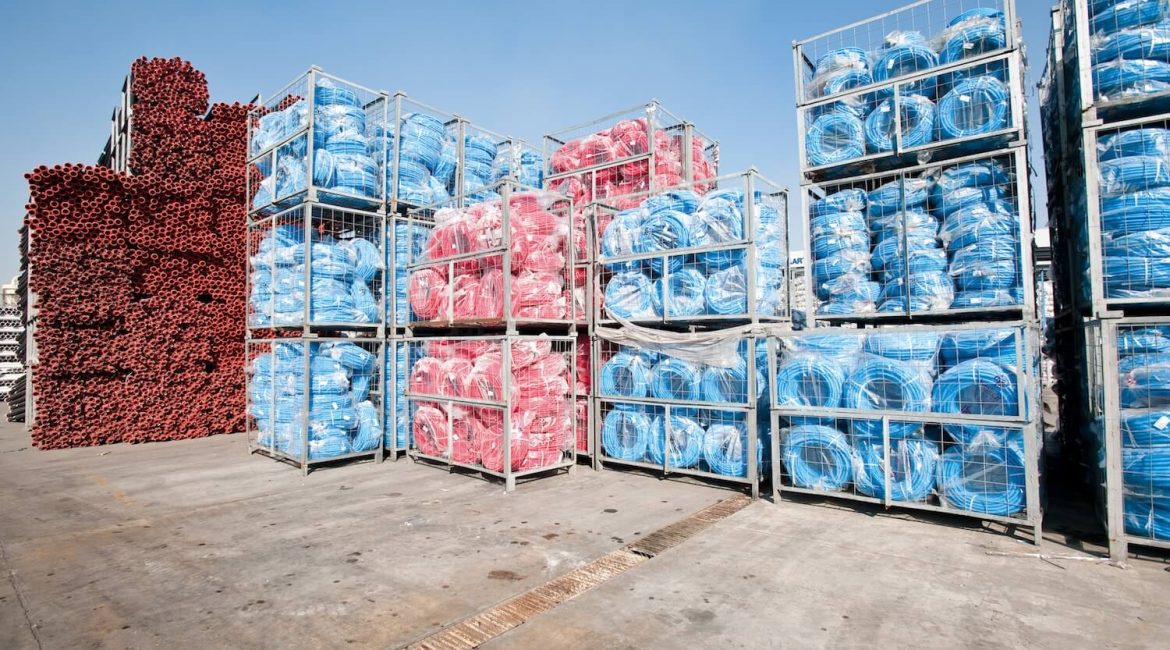
- Piping and Tubing: Store pipes and tubing on racks or supports to prevent bending or damage. Cap the ends to prevent the ingress of dirt, debris, and moisture.
- Aggregates (Sand, Gravel, Crushed Stone): Store aggregates in designated areas with proper drainage to prevent water accumulation and contamination. Consider using barriers to prevent mixing of different aggregate types.
- Insulation Materials: Store insulation materials in dry, covered areas to protect them from moisture and UV degradation. Many insulation materials are easily compressed, so avoid excessive stacking.
Safe Stacking and Retrieval Methods in the Dallas Climate
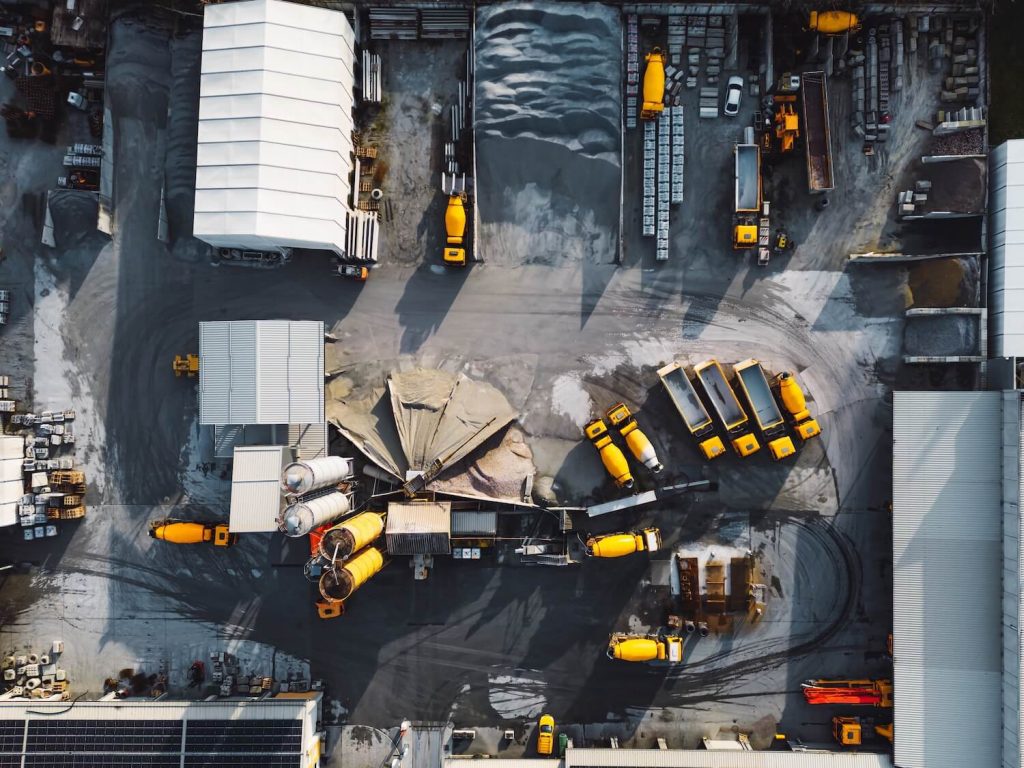
Efficient and safe material handling is paramount on any construction site. In Dallas, the challenges of weather add another layer of complexity:
- Stable Foundations: Ensure that the ground or supporting structures for material stacks are level and stable, especially after heavy rainfall that can soften the ground.
- Weight Limits: Never exceed the recommended stacking limits for any material to prevent collapses and injuries.
- Interlocking Stacking: When possible, utilize interlocking stacking patterns to enhance stability.
- Securing Stacks: For tall or potentially unstable stacks, use straps or other securing methods to prevent movement, especially during windy conditions.
- Clear Pathways: Maintain clear and unobstructed pathways around storage areas to allow for safe movement of personnel and equipment.
- Proper Equipment: Utilize appropriate lifting equipment (forklifts, cranes, etc.) operated by trained personnel for moving and retrieving heavy materials. Regularly inspect equipment for proper functioning.
- Communication: Establish clear communication protocols between ground personnel and equipment operators during material handling.
- Weather Awareness: Be particularly cautious during and after inclement weather. Inspect stacks for stability and ensure proper drainage before attempting to move materials.
The Strategic Advantage of Investing in Smart Outdoor Storage Solutions
While implementing best practices is essential, investing in purpose-built outdoor storage solutions can offer a significant strategic advantage for Dallas construction companies. These solutions go beyond basic protection and provide:
- Enhanced Security: Secure storage units can deter theft and vandalism, protecting your valuable materials from loss.
- Improved Organization: Dedicated storage areas and systems facilitate better inventory management, reducing time spent searching for materials and minimizing waste.
- Customization: Modular storage units can be customized to the specific needs of different materials, providing optimal protection and accessibility.
- Durability: Weather-resistant construction ensures long-term protection against the harsh Dallas climate.
- Efficiency Gains: Easy access to well-organized materials streamlines workflows and improves overall site efficiency.
- Professional Image: A well-organized and secure construction site projects an image of professionalism and competence to clients and stakeholders.
By viewing outdoor storage not as a necessary inconvenience but as a strategic component of project management, Dallas construction companies can mitigate risks, reduce costs, and ultimately build more successful and sustainable businesses.
Taking the Next Step Towards Optimized Outdoor Storage
The relentless Dallas weather doesn’t have to be a constant threat to your materials and your project timelines. By understanding the unique challenges and implementing proactive best practices, you can transform your outdoor storage from a vulnerability into a strength. Consider the long-term benefits of investing in smarter storage solutions that offer enhanced protection, organization, and security.
Don’t let the elements dictate the success of your next Dallas construction project. Get expert tips and explore customized outdoor storage solutions designed to protect your investments and streamline your operations. Contact Johnson Commercial Solutions today to learn how we can help you build smarter, stronger, and more efficiently in the heart of Texas.