
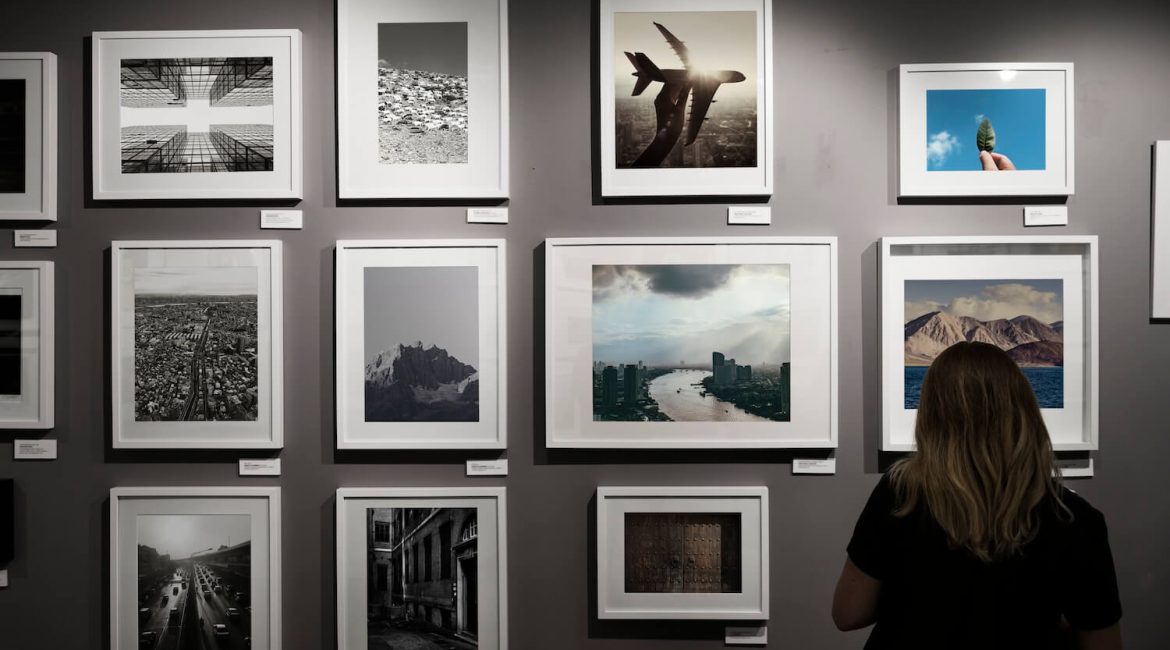
When a multi-million-dollar contemporary bronze sculpture arrives at a Santa Fe gallery with microscopic hairline fractures along its welds, or when a mid-nineteenth-century Navajo textile suffers fiber stress due to a rapid shift in humidity, the damage is rarely measured solely in financial terms. The true cost is the loss of cultural heritage, damaged artist relationships, and a compromised reputation that took decades to build.
For gallery owners, museum curators, and private collectors operating in New Mexico’s premier art capital, standard commercial logistics fail to address the delicate nature of high-value cultural artifacts.
JCS Fine Art Logistics solves this gap through fully integrated fine art moving services in Santa Fe, combining custom museum-grade crating, microclimate transit, and dual-driver security protocols under a single dedicated point of contact and real-time asset dashboards.
What Is Included in JCS Santa Fe Fine Art Logistics Services?
Our Santa Fe art gallery logistics framework is built around total risk mitigation, precision engineering, and complete environmental control. Every piece trusted to JCS receives a tailored preservation plan designed specifically for the high-altitude, extreme-aridity conditions of the American Southwest.
Core Service Capabilities:
- Custom Museum-Grade Crating
- In-house fabrication of specialized museum skeletons and floater frames
- Acid-free archival materials including Volara, Tyvek, and Mylar lining
- Custom-cut inner foam shells (Ethafoam and Polyethylene) engineered for shock isolation
- Thermal & Micro-Climate Control Transit
- Active climate-controlled art transport fleets maintaining 68°F–72°F and 45–55% relative humidity
- Micro-climate thermal buffer chambers designed to counteract extreme desert temperature swings
- Real-time digital telemetry continuous monitoring internal ambient conditions
- High-Security & Dual-Driver Transport
- Dual-driver escort protocols ensuring a non-stop, secure chain of custody
- Air-ride suspension vehicles equipped with hydraulic lift gates
- GPS satellite tracking, geo-fencing, and discrete, unmarked transport units
- Comprehensive White-Glove Installation & Asset Management
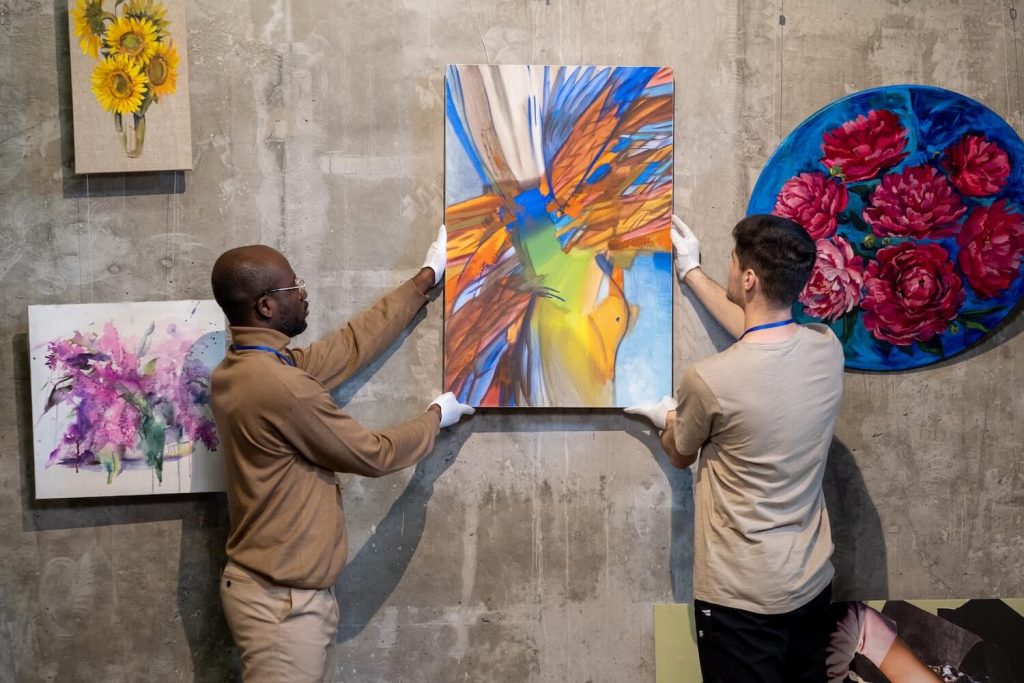
- On-site museum white-glove uncrating, rigging, and placement
- Single point-of-contact project coordination with digital client dashboards
- Complete condition reporting, pre-trip structural assessments, and photographic documentation
Why Is Santa Fe One of the Most Demanding Environments for Fine Art Transport?
Santa Fe sits elevated at 7,000 feet above sea level, nestled against the Sangre de Cristo Mountains. While this landscape provides an extraordinary environment for the nation’s third-largest art market, its geographic and atmospheric realities introduce severe logistical challenges for delicate media.
The Impact of Environmental Stressors on Fine Art:
- Elevated Altitude (7,000 ft): Lower atmospheric pressure affects sealed enclosures and material tension.
- Low Ambient Humidity (10%–20%): Triggers rapid moisture desiccation, leading to canvas contraction and wood splitting.
- Daily Temperature Swings (up to 40°F Delta): Causes rapid thermal expansion and contraction, producing micro-fracturing in glazes, paints, and welds.
The Micro-Climate Challenge: Aridity and High-Altitude Temperature Swings
The high-desert climate features dramatic diurnal temperature swings, often dropping 40 degrees Fahrenheit within hours after sunset. Relative humidity (RH) routinely plummets into the low double digits.
When a canvas, panel painting, or organic artifact transitions from a strictly regulated 50% RH gallery environment on Canyon Road into an unconditioned transport space, rapid desiccation begins immediately:
- Organic materials like wood supports, bone inlay, and natural pigments lose moisture quickly, causing warping, cracking, or flaking pigment.
- Oil paintings experience differential contraction between the canvas substrate and paint layers, resulting in micro-fissures (craquelure).
- Textiles suffer severe structural brittle stress under sudden humidity shifts.
JCS overcomes these environmental dynamics by using active climate-controlled art transport vehicles paired with custom thermal buffer chambers. By surrounding the crate core with phase-change thermal barriers and vapor-tight seals, the internal micro-climate remains rock-solid within target thresholds (typically 68°F–72°F and 45–55% RH), regardless of the outside desert conditions.
How Does Museum-Grade Crating Protect High-Value Sculptures and Textiles?
Standard wooden boxes offer structural containment, but true museum-grade crating provides dynamic vibration damping, thermal isolation, and structural decoupling.
Structural Anatomy of a JCS Museum Floater Crate:
- Outer Shell: Heavy-duty plywood exterior reinforced with steel corners and hydro-sealing.
- Thermal Barrier: Foil-faced polyisocyanurate insulation panels to resist temperature transfer.
- Inner Skeleton: Custom hardwood floater frame suspended on dynamic isolation mounts.
- Contact Layer: Volara and Tyvek archival lining placed directly against the artwork to eliminate surface friction and chemical interaction.
In-House Fabrication: Floater Frames and Specialized Museum Skeletons
For heavy, asymmetrical sculptures, delicate mixed-media, or historic textiles, off-the-shelf packaging is unsafe. JCS operates an in-house woodworking and fabrication facility dedicated exclusively to building custom art enclosures:
- Floater Frames & Internal Skeletons: For paintings with fragile, unvarnished edges or three-dimensional canvas elements, floater crates secure the artwork by its structural frame or strainer, allowing the painted surface to suspend without direct contact with packing materials.
- Multi-Density Shock Damping: Using tailored Ethafoam linings tuned to the exact weight and center of gravity of the piece, our crates absorb low-frequency road vibrations and high-frequency impacts before they transfer to the artwork.
- Archival Inert Linings: All internal contact points utilize non-gassing, acid-free materials such as Tyvek, Volara, or Mylar, preventing chemical interaction with varnish layers or delicate textile fibers.
What Security Protocols Are Essential for High-Value Gallery and Museum Transfers?
Transporting high-value collections requires total continuity in the chain of custody. Any gap in supervision, unmonitored stop, or transit delay exposes irreplaceable works to unnecessary risk.
End-to-End Secure Chain of Custody:
- Origin Site: Detailed pre-transit condition reporting and initial risk assessment.
- Transit: Continuous dual-driver escort paired with active GPS satellite tracking and geo-fencing.
- Monitoring: Real-time client dashboard displaying temperature, humidity, shock, and velocity data.
- Destination Site: Direct arrival, white-glove uncrating, and final installation.
Dual-Driver Chains of Custody and Real-Time Dashboard Oversight
JCS enforces strict security measures for all art gallery logistics in New Mexico:
- Continuous Dual-Driver Escorts: High-value transit requires two trained drivers per vehicle. The transport unit is never left unattended at any point during transit, eliminating unmonitored overnight stops or roadside vulnerabilities.
- Unmarked, Air-Ride Vehicles: Fleet vehicles feature non-descript exteriors to avoid drawing unwanted attention, paired with full air-ride suspension systems that cushion delicate cargo over rough mountain roads or unpaved rural access paths.
- Digital Client Telemetry Dashboards: Registrars, curators, and collectors receive access to a secure, real-time dashboard. This platform displays live GPS tracking, vehicle velocity, internal temperature readings, relative humidity levels, and shock-sensor telemetry throughout the journey.
How Does a Single Point of Contact Streamline Complex Exhibitions and Relocations?
Managing logistics across multiple galleries, private donors, and museum registrars often leads to miscommunication, fragmented scheduling, and heightened stress.
Traditional Freight Model vs. JCS Integrated Model:
- Traditional Model: The gallery owner must coordinate separately with freight brokers, local trucking drivers, independent crate shops, and external installation crews, creating high friction, communication gaps, and liability confusion.
- JCS Integrated Model: The gallery owner works with a single dedicated JCS Project Manager who oversees every element, including crating, climate transport, security, and white-glove installation, delivering zero friction and full accountability.
Integrated Management vs. Fragmented Freight Coordination
Rather than juggling separate crating shops, third-party logistics brokers, local riggers, and insurance adjusters, working with JCS provides a single, dedicated Fine Art Logistics Specialist.
- Single Point of Contact: Your designated manager handles every detail, from pre-transit condition reports and local permits on historic Santa Fe streets to specialized rigging and final gallery installation.
- Streamlined Accountability: With in-house crating, private climate-controlled fleets, and white-glove installation teams, JCS retains complete control over the entire supply chain.
- Custom Insurance Alignment: Detailed pre-trip documentation, structural risk assessments, and environmental telemetry make insurance reporting simple, meeting the requirements of fine art underwriters worldwide.
Frequently Asked Questions (FAQ)
What is the difference between standard climate control and fine art thermal buffer control?
Standard commercial climate control typically manages ambient temperature within broad ranges (e.g., 60°F–80°F) without regulating relative humidity. Fine art thermal buffer control actively stabilizes both temperature (68°F–72°F) and relative humidity (45%–55% RH) within tight tolerances using specialized HVAC telemetry and sealed, insulated crate interiors designed to combat rapid high-desert climate changes.
How far in advance should we schedule fine art moving services in Santa Fe?
For standard gallery shipments or single-piece relocations, booking 1 to 2 weeks in advance is recommended. For major museum exhibitions, multi-piece collection relocations, or custom-fabricated crating projects, planning 4 to 6 weeks out ensures adequate time for structural engineering, site visits, and route surveys.
Can JCS handle heavy outdoor bronze or stone sculptures requiring cranes or rigging?
Yes. JCS provides complete white-glove rigging services for large, heavy, or complex sculptures. Our team conducts on-site engineering assessments, coordinates local Santa Fe municipal permits, builds reinforced transport sleds, and manages crane/rigging operations to guarantee safe placement.
How are delicate textiles and organic artifacts protected against desert dryness during transit?
Organic artifacts and textiles are sealed within vapor-tight micro-climate chambers layered with acid-free archival materials (such as Tyvek and Volara) and pre-conditioned silica gel buffers. This retains moisture levels within the inner enclosure, insulating the artwork from external desert dryness.
What insurance coverage options do you provide during transport and handling?
JCS offers customizable, comprehensive transit insurance options designed specifically for fine art, antiques, and high-value cultural artifacts. Our detailed condition reporting and secure transport protocols meet the high compliance standards required by international fine art underwriters.
Protect Your Irreplaceable Custom Collection Today
Your collection represents extraordinary artistic vision, historical heritage, and significant investment. Protect your gallery’s reputation and preserve your artwork by partnering with New Mexico’s premier fine art logistics specialists. Protect your gallery’s reputation and your pieces’ integrity by consulting the Johnson Commercial Solutions Santa Fe fine art team today!
