
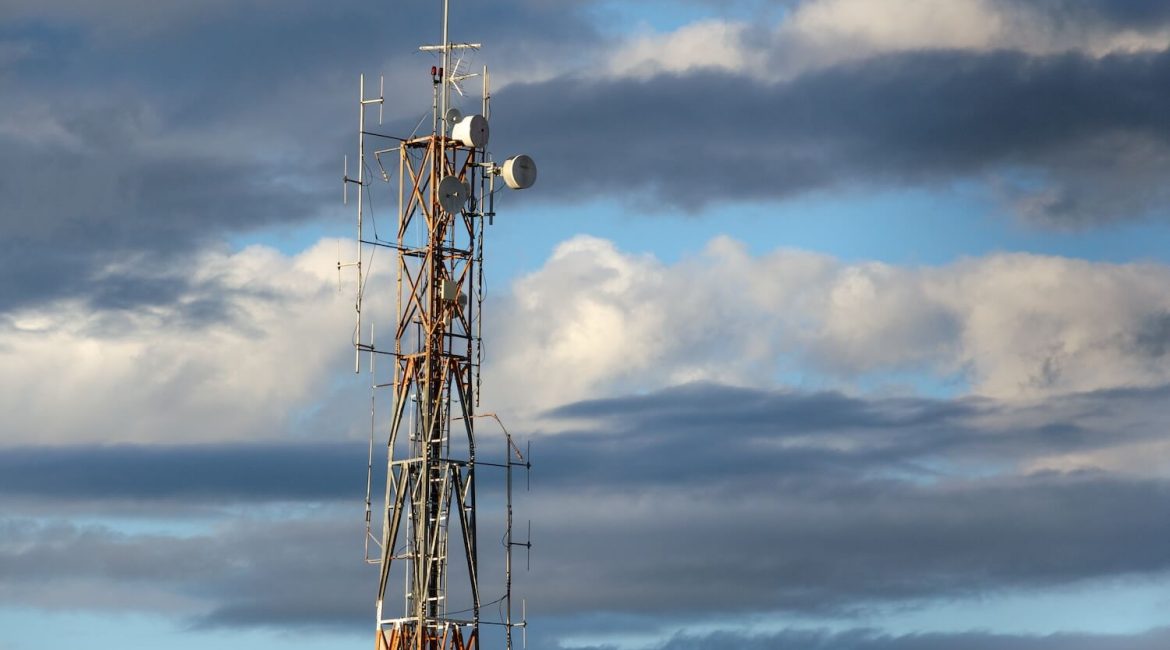
The alert hits your phone at 2:14 AM: a sudden late-summer microburst has torn through the foothills, dropping heavy wet timber across primary fiber lines and turning access roads into mud-choked liabilities between the high country and the plains. Your phone starts vibrating with escalations from municipal emergency managers and enterprise clients watching their network redundancies blink out one by one. You know the drill by heart: the replacement spools are sitting in a yard three hours away, your field crews are idling in traffic trying to drag heavy assets through congested interstate corridors, and every minute of downtime costs thousands in SLA penalties, frustrated subscribers, and community trust.
For telecom network infrastructure directors, municipal emergency management coordinators, and regional utility providers across the Mountain West, the real crisis isn’t just the storm itself; it’s the friction of response. When nature tests your network’s limits, your biggest enemy isn’t the wind; it’s the distance between your emergency assets and the point of failure. It’s the administrative lag of locating equipment across fragmented storage sites, and the sheer physical exhaustion of trying to mobilize heavy infrastructure when urban traffic is already paralyzed.
This is where the paradigm of emergency readiness shifts from reactive scrambling to proactive dominance. By anchoring your tactical assets in a dedicated Telecom Disaster Recovery Storage in Fort Collins, CO, you eliminate transit delays, outmaneuver erratic weather patterns, and transform chaotic field recovery into a streamlined, high-precision deployment.
What makes Fort Collins the ultimate strategic gateway for Northern Colorado emergency infrastructure logistics?
Fort Collins serves as the premier logistical gateway for the Northern Colorado and Wyoming corridors. By positioning critical assets directly adjacent to primary transit arteries like Interstate 25, regional network providers can stage, mobilize, and deploy heavy recovery inventory north into Wyoming or south across the Colorado Front Range with zero urban gridlock delays.
When an infrastructure failure strikes, geography is either your greatest asset or your heaviest anchor. Traditional metropolitan storage yards bury your emergency gear behind daily operational inventory, requiring precious hours just to unearth a single cell-on-wheels (COW) unit or a heavy fiber spool. Worse yet, they trap your heavy transport vehicles in local commercial traffic before they can even reach a high-speed corridor.
Operating from a dedicated northern gateway changes the equation completely by aligning your physical footprint with the natural flow of regional transit and weather patterns. Key logistical advantages include:
- Interstate Proximity: Immediate access to major transit lines allows heavy transport and service vehicles to bypass congested downtown bottlenecks during critical early-response windows when every minute dictates network restoration times.
- Cross-Border Reach: Seamlessly deploy resources northward to support expanding residential and industrial corridors across the Wyoming border, or pivot rapidly south to reinforce the densely populated Denver-metro tech and commercial network ring.
- Decentralized Staging: Remove the burden of crowding active urban maintenance yards with heavy emergency stock that only needs to move when disaster strikes, freeing up your daily operational space for core business activities.
- Climate-Adaptive Positioning: Leverage a secure regional hub that remains accessible even when localized weather events disrupt smaller, less-equipped local facilities or trap equipment in vulnerable low-lying valleys.
- Regional Economic Efficiency: Tap into a logistics hub that offers lower transit overhead and faster turnaround times compared to maintaining multiple smaller, unmonitored yards scattered haphazardly across the state.
How does heavy asset outdoor deployment prep prevent costly deployment bottlenecks?
Heavy asset outdoor deployment prep relies on maintaining a secure, highly organized yard space designed specifically for instant extraction. By keeping response vehicle fleets, heavy machinery, and bulky infrastructure assets fully pre-staged and accessible 24/7, field teams can mobilize within minutes rather than hours.
In the middle of a midnight emergency, your team shouldn’t be playing heavy-equipment Tetris. Standard commercial yards are built for long-term storage or multi-tenant clutter, meaning emergency assets are often blocked in by standard fleet vehicles, construction materials, or seasonal inventory that requires rearranging before a single trailer can be hooked up.
A true disaster recovery staging hub is engineered from the ground up for instantaneous extraction. This operational readiness relies on several core pillars designed to protect your gear while keeping it primed for immediate movement:
- Unobstructed Clearance Lanes: Wide, engineered turning radii and dedicated drive aisles ensure that heavy flatbeds, crane trucks, and service rigs can hook up and roll out without repositioning other equipment or navigating tight, blind corners.
- Hardened Outdoor Storage: Heavy-duty, engineered surfaces designed to support the immense weight of fully loaded utility trailers, emergency generators, and heavy machinery without settling, cracking, or mud-locking during severe wet-weather events.
- Perimeter Security and Monitored Integrity: High-grade security fencing, controlled electronic access points, and round-the-clock surveillance protect high-value infrastructure assets while they wait in reserve, deterring theft and tampering.
- Staged Readiness Packs: Pre-kitted deployment zones where compatible assets, such as backup power units, cable spools, and structural mounting hardware, are grouped for single-hookup loading, drastically cutting down field staging time.
- Environmental Protection for Sensitive Gear: Designated zones that accommodate specialized sheltering requirements, keeping delicate electronics and mobile communication units safe from hail, blowing dust, and excessive UV exposure.
Why is 24/7 digital tracking integrity non-negotiable during critical network outages?
Digital tracking integrity gives asset managers uncompromised, real-time visibility over emergency stock inventories. When network uptime hangs in the balance, knowing exactly what assets are on-site, what is currently in transit, and what has been deployed prevents costly miscommunications and eliminates inventory blind spots.
During a widespread emergency response, information is just as valuable as physical equipment. If an operations director cannot verify the exact status and location of a backup fiber spool or a replacement generator, field deployment grinds to a halt while phone calls are made, clipboards are checked, and conflicting reports are sorted out across multiple departments.
Modern emergency logistics demand absolute transparency from the moment an asset enters the yard until it is deployed in the field. Achieving this level of operational control requires:
- Real-Time Inventory Mapping: Continuous visibility into stock levels, ensuring that teams know instantly if a specific component is sitting in the Fort Collins yard, currently in transit, or already deployed at a regional repair site.
- Chain-of-Custody Logging: Digital tracking that records every movement, check-in, and deployment handover, minimizing loss, reducing administrative overhead, and keeping accountability crystal clear across multi-tier response teams.
- Remote Accessibility: Mobile-friendly management dashboards that allow emergency coordinators to audit stock levels, verify asset availability, and authorize dispatches from the field, the truck cabin, or the command center.
- Proactive Threshold Alerts: Automated notifications that flag when emergency stock falls below pre-set readiness minimums, prompting timely replenishment before the next storm front moves into the region.
- Seamless Enterprise Integration: Systems designed to sync with your existing internal supply chain oversight tools, preventing data silos and ensuring your financial and operational teams are always reading from the same playbook.
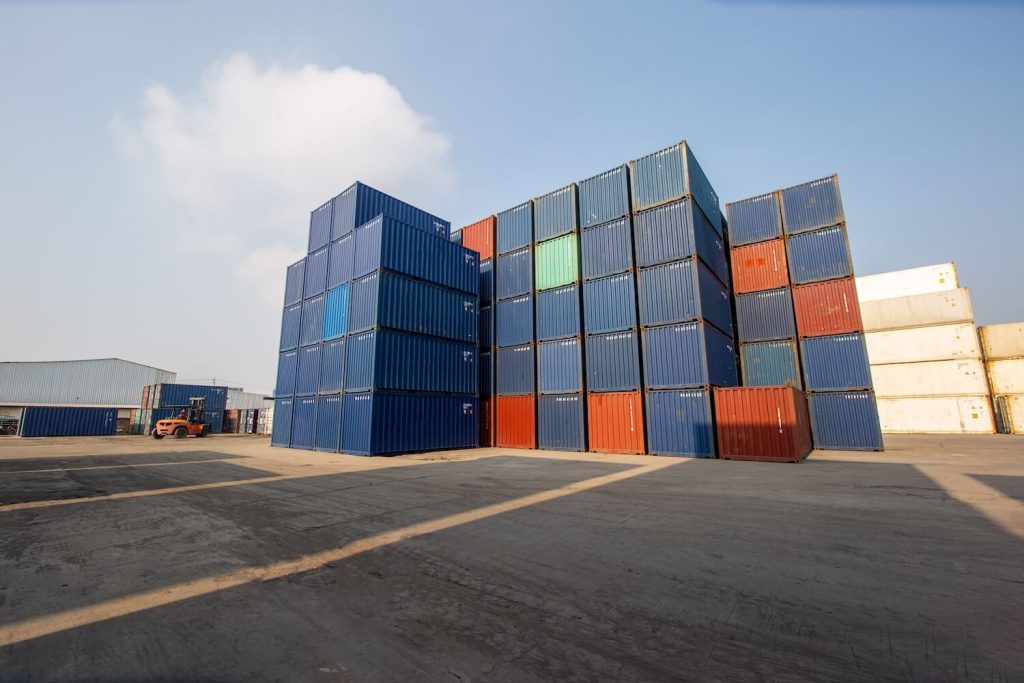
What’s Included in Our Fort Collins Infrastructure Staging Framework?
When you partner with Johnson Commercial Solutions, you gain more than just physical space, you gain a fully integrated operational extension of your own logistics team. Our Fort Collins facility is purpose-built to absorb the logistical friction of emergency preparedness, providing a seamless bridge between your headquarters and the field.
- Dedicated Secure Yard Space: Scalable outdoor storage footprints customized to accommodate your specific fleet size, COWs units, and heavy utility trailers without crowding or restricted access.
- Single Point of Contact: A dedicated account manager who understands the unique compliance, safety, and urgency requirements of the telecom and utility sectors, ensuring fast communication when time is critical.
- Integrated Handling Support: On-site heavy lifting and loading assistance to ensure your assets are handled safely and efficiently by experienced professionals who understand heavy utility equipment.
- Customized Access Protocols: Flexible security frameworks that allow your designated field supervisors or emergency response crews round-the-clock access when every second counts toward restoring connectivity.
- Transparent Digital Portals: Clean, easy-to-use asset tracking visibility that integrates smoothly with your internal supply chain oversight, giving you complete clarity from afar.
- Proactive Yard Maintenance: Year-round site upkeep, snow removal, and surface grading to ensure your access lanes remain clear and operational regardless of seasonal weather extremes.
Frequently Asked Questions About Telecom Disaster Recovery Storage
How quickly can our field teams access our staged assets during an emergency?
Our Fort Collins facility is engineered for 24/7 rapid deployment. Because your assets are maintained in dedicated, unobstructed extraction lanes, authorized crews can access, load, and mobilize your equipment at a moment’s notice without administrative delays or waiting for gate authorizations.
Can we store specialized or oversized equipment like cell-on-wheels (COWs) units?
Yes. Our yard is specifically designed to accommodate heavy industrial footprints, including oversized mobile communications towers, utility trailers, heavy backup generators, and large cable reels that standard commercial warehouses cannot handle.
How does the location near I-25 improve our emergency response times?
Positioning your recovery assets directly off the primary north-south and east-west transit corridors bypasses the bottlenecks of urban street networks, allowing transport vehicles to merge immediately onto high-speed highways heading toward Wyoming, Denver, or mountain pass approaches.
What kind of security measures protect our high-value network materials?
The facility features robust perimeter security, continuous monitoring, and controlled electronic gate access, ensuring your critical infrastructure remains safe from unauthorized access while resting in reserve between deployment cycles.
How do we coordinate asset tracking and inventory visibility?
We provide clear, real-time tracking visibility that allows your asset managers to monitor inventory levels, verify on-site stock, and coordinate dispatches seamlessly from anywhere via user-friendly digital dashboards.
Can we scale our storage footprint up or down based on seasonal weather risks?
Yes. We understand that telecom risks fluctuate, particularly during late-summer storm seasons and winter freeze cycles. Our flexible staging frameworks allow you to adjust your capacity as your operational needs evolve throughout the year.
How do we get started with setting up our staging framework?
Getting started is straightforward. You can connect directly with our infrastructure team to discuss your inventory volume, access requirements, and custom security protocols. We handle the logistics so your team can focus entirely on keeping the network connected.
Build Resilience Into Your Regional Network
The next severe weather front isn’t a question of if, but when. Don’t let distance, congested yards, or logistical friction compromise your network integrity when your customers and communities need you most. Take control of your response timeline today. Talk to Johnson Commercial Solutions’ Fort Collins infrastructure services team to set up your staging framework and ensure your network is always a step ahead of the storm.
