
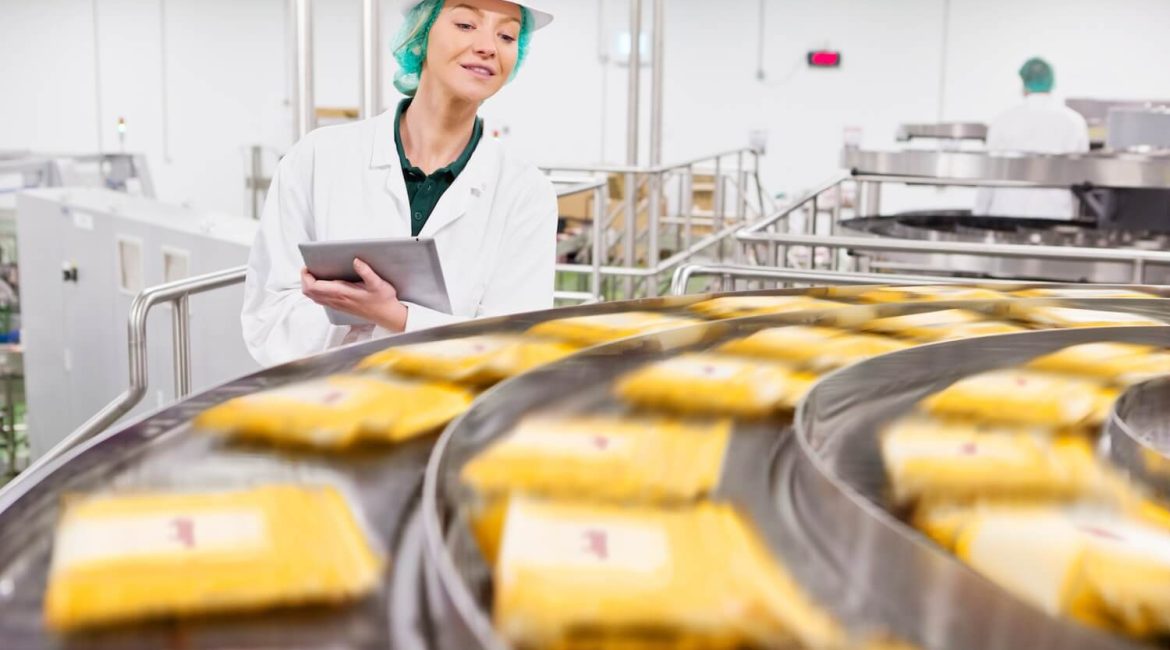
It is 2:15 AM on a Tuesday, and your phone buzzes with a notification that makes your stomach drop: the flatbeds hauling your new stainless steel multi-head weighers and automated cartoning lines are entering the yard six hours ahead of schedule. Your facility expansion project is already navigating a compressed timeline, and your plant floor is currently a maze of active production lines, wet sanitation crews, and exposed wiring. You stare at the ceiling in the dark, wrestling with a familiar, heavy anxiety: where do you safely stage a million dollars of ultra-sensitive processing equipment without exposing it to construction dust, moisture, or premature damage? You are a plant manager, capital expenditure project lead, or operations director who carries the quiet weight of keeping production schedules intact while managing high-stakes capital assets. You need a trusted partner who understands that Food Processing Equipment Storage in Dallas, TX, is not just about square footage; it is about protecting your enterprise’s operational future through integrated services, a single point of contact, and real-time asset dashboards.
Why Is Industrial Commercial Kitchen Warehousing Critical During Late-Summer Retooling?
Industrial commercial kitchen warehousing provides a climate-controlled, highly secure holding environment for heavy processing machinery during plant expansions, bridging the gap between arrival and installation without risking equipment contamination.
- Key Elements: High-cleanliness staging, protection from construction debris, and centralized inventory tracking.
- Operational Impact: Prevents capital asset degradation and keeps plant integration schedules moving smoothly.
The Dallas-Fort Worth metroplex operates as an unyielding engine for food manufacturing and cold-chain distribution. When regional facilities race to expand or retool during the late-summer production rush, the sheer logistical friction can overwhelm even the most seasoned operations teams. You are balancing contractor schedules, equipment lead times, and strict corporate governance.
When your oversized packaging machinery staging requirements collide with limited floor space inside an active plant, temporary storage becomes a high-stakes chess match. Storing precision machinery in standard, unvetted industrial warehouses invites disaster. Dust from nearby retrofits, uncontrolled humidity, and general warehouse grime can infiltrate sensitive electronic panels, pneumatic actuators, and sanitary welds.
Utilizing specialized industrial commercial kitchen warehousing changes the equation. By moving capital assets into a dedicated, contamination-free environment before they ever enter your factory, you decouple equipment delivery from construction chaos. This gives your project engineering teams the breathing room to inspect, inventory, and stage components digitally via transparent client dashboards, ensuring that every valve, conveyor segment, and control cabinet arrives at the installation bay pristine and ready for commissioning.
How Do Sanitation-Conscious Staging Zones Protect Multi-Million Dollar Processing Assets?
Sanitation-conscious staging zones isolate sensitive food-grade machinery from industrial dust, chemical residues, and biological contaminants by maintaining strict environmental controls and absolute separation from non-food logistics.
- Key Elements: Positive air pressure, HEPA filtration, dedicated washdown protection, and zero organic waste policies.
- Operational Impact: Preserves sanitary certification readiness and eliminates post-storage cleaning overhead.
When you invest in advanced food processing and packaging lines, you are purchasing micron-level tolerances and pristine surface finishes. Standard warehouses often handle everything from automotive parts to lawn chemicals, leaving microscopic residues in the air and on the floors. For a food manufacturer, this cross-contamination risk is entirely unacceptable.
Safeguarding your assets requires a storage ecosystem designed from the ground up for food-grade integrity. Our sanitation-conscious staging zones are engineered to act as an extension of your cleanroom environment. By enforcing strict operational boundaries, such as an absolute prohibition on organic waste, fertilizer, or hazardous chemicals, we maintain a pristine facility standard that protects polished stainless steel and delicate electronic interfaces.
Core Environmental Safeguards
- Absolute Contamination Isolation: Physical and atmospheric separation from general freight to prevent airborne particulate migration.
- Climate Stability: Continuous monitoring of temperature and relative humidity to prevent condensation on cold-rolled steel and electronic circuit boards.
- Surface Protection Protocols: Elevated staging platforms and non-marking synthetic handling equipment that protect sanitary flanges and custom framing.
What Challenges Arise During Heavy Equipment Rigging into Processing Bays?
Heavy rigging into processing bays involves moving oversized, delicate stainless steel manufacturing assemblies from flatbeds through tight factory entry points without compromising structural seals or alignment tolerances.
- Key Elements: Specialized gantry systems, air-ride transport, laser-leveled skate staging, and precision clearance mapping.
- Operational Impact: Eliminates costly on-site denting, frame twisting, or mechanical misalignment during final placement.
The physical reality of moving a continuous vertical form-fill-seal machine or a massive thermal screw conveyor from a transport trailer into a tight factory footprint is fraught with peril. Standard forklift operators and general warehouse laborers often lack the specialized touch required for fragile, high-value manufacturing assets. One miscalculated inch through a loading bay door can compromise a precision laser-aligned frame or warp a sanitary seal.
Overcoming this challenge demands an integrated approach that pairs heavy rigging expertise with delicate handling awareness. In the DFW market, regional logistics require seamless transitions from long-haul flatbeds to localized, low-clearance transport equipment.
The Rigging and Staging Workflow
- Intake and Inspection: Unloading via crane or specialized lift gate directly onto air-ride dollies inside our climate-controlled DFW hub.
- Digital Tagging: Equipping every assembly with RFID markers integrated into your live customer portal for instant visual verification.
- Precision Placement: Utilizing hydraulic gantries and low-profile skates to position machinery seamlessly into your plant’s integration bays when your contractors are ready.
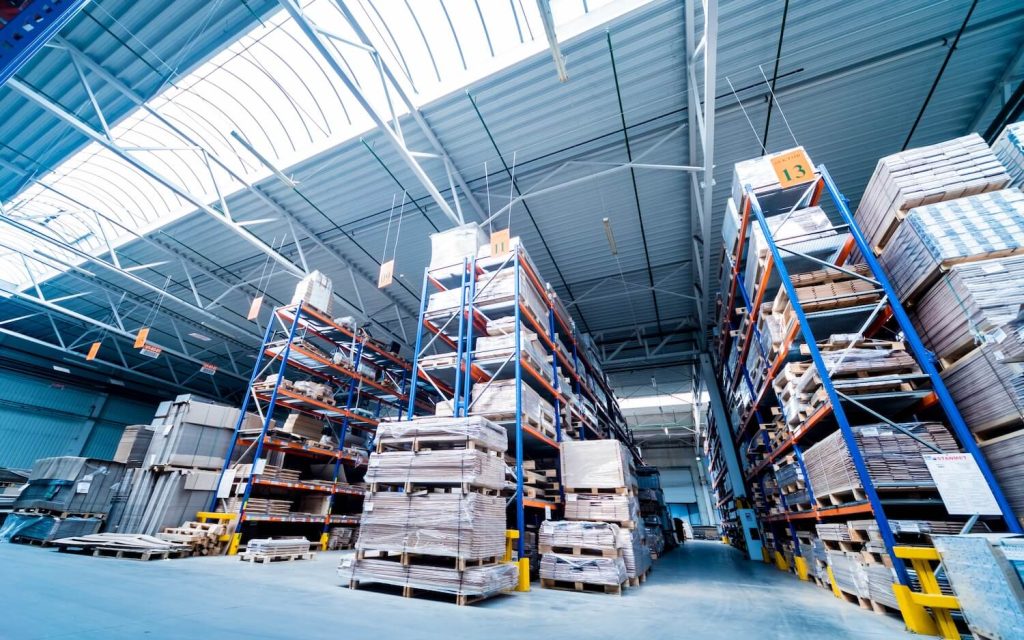
How Does DFW Food-Grade Supply Chain Logistics Drive Capital Efficiency?
DFW food-grade supply chain logistics optimizes capital expenditure projects by centralizing staging, reducing demurrage fees, and providing a single point of contact from port of entry to final factory bolt-down.
- Key Elements: Strategic metroplex positioning, synchronized delivery windows, and single-source project accountability.
- Operational Impact: Reduces project downtime, lowers administrative overhead, and accelerates time-to-market for new product lines.
Managing a multi-million-dollar equipment rollout across multiple vendors can quickly fracture your operational focus. When transportation brokers, rigging crews, and warehouse operators operate in silos, miscommunication leads to missed windows, damaged components, and spiraling demurrage charges.
Integrating your DFW food-grade supply chain logistics through a single, accountable partner transforms this friction into a competitive advantage. Instead of coordinating five different vendors, your project lead communicates with one dedicated account director who oversees everything from initial transport manifest parsing to final bay staging.
Strategic Advantages of Integrated Logistics
- Demurrage Mitigation: Direct coordination between incoming freight carriers and our local staging facility absorbs shipping delays without incurring yard fees.
- Unified Visibility: Real-time digital dashboards track the exact status and location of every sub-assembly, giving your finance and operations teams total clarity.
- Streamlined Accountability: One point of contact eliminates the finger-pointing typical of multi-vendor supply chain handoffs.
What Is Included in Our Specialized Dallas Manufacturing Logistics Services?
When you partner with Johnson Commercial Solutions, you gain a comprehensive suite of capabilities designed specifically for the rigorous demands of food and beverage manufacturers. Our services are tailored to protect your capital investments and streamline your facility upgrades.
- Climate-Controlled Staging Hubs: Secure, high-cleanliness indoor storage environments tailored for sensitive packaging machinery and cooling systems.
- Specialized Heavy Rigging: Expert handling of oversized stainless steel assemblies, filling lines, and thermal processing equipment.
- Real-Time Client Dashboards: 24/7 digital inventory tracking, condition reporting, and milestone scheduling.
- Zero-Chemical Purity Guarantee: Strict facility protocols prohibiting hazardous materials, pesticides, or organic waste in food-grade zones.
- Single-Point-of-Contact Project Management: Dedicated logistics directors who coordinate directly with your internal engineering and contractor teams.
- Just-in-Time Factory Delivery: Synchronized transport from our Dallas warehouse directly to your plant floor bays precisely when installation crews arrive.
Frequently Asked Questions
How do you prevent contamination during the storage of food processing equipment?
We maintain strict operational boundaries within our Dallas facility, prohibiting the use of hazardous chemicals, fertilizers, and organic waste. Our staging zones feature enhanced air filtration and climate stabilization to protect polished stainless steel and sensitive electronics from industrial dust and moisture.
Can you handle oversized commercial cooling and filling equipment?
Yes. Our facilities are equipped with high-bay clearance, heavy-duty overhead crane capacity, and specialized rigging gear designed to safely manage large-scale manufacturing assemblies, thermal processors, and automated packaging lines.
How do your digital dashboards help my project team?
Our secure client portals provide real-time visibility into your inventory, allowing capital expenditure leads to track equipment arrival, condition reports, and scheduled delivery milestones from any device, anywhere.
What geographic areas do your Texas manufacturing logistics services cover?
While our primary manufacturing staging and warehousing hubs are strategically positioned across the Dallas-Fort Worth metroplex to serve regional expansions, we routinely coordinate inbound and outbound logistics across the entire state of Texas and surrounding Southwest corridors.
How do you coordinate with our third-party installation contractors?
Your dedicated account manager works hand-in-hand with your general contractors and plant engineers to synchronize delivery windows, ensuring machinery arrives at your factory bay exactly when your rigging crews are prepared for placement.
What steps are taken during the initial equipment intake?
Every asset undergoes a thorough photographic inspection and digital tagging upon arrival at our Dallas facility. This baseline record is immediately uploaded to your dashboard to verify equipment condition before long-term or short-term staging begins.
Streamline Your Next Plant Asset Upgrade Today
Your next facility expansion or production line retooling does not have to be a logistical hurdle. By partnering with experts who understand the nuances of heavy industrial rigging and high-cleanliness supply chains, you can protect your capital investments, eliminate project stress, and keep your operational timeline on track.
Contact Johnson Commercial Solutions’ Dallas division today for specialized food-processing equipment storage solutions tailored to your exacting standards. Let us handle the staging so you can focus on scaling your production.
