
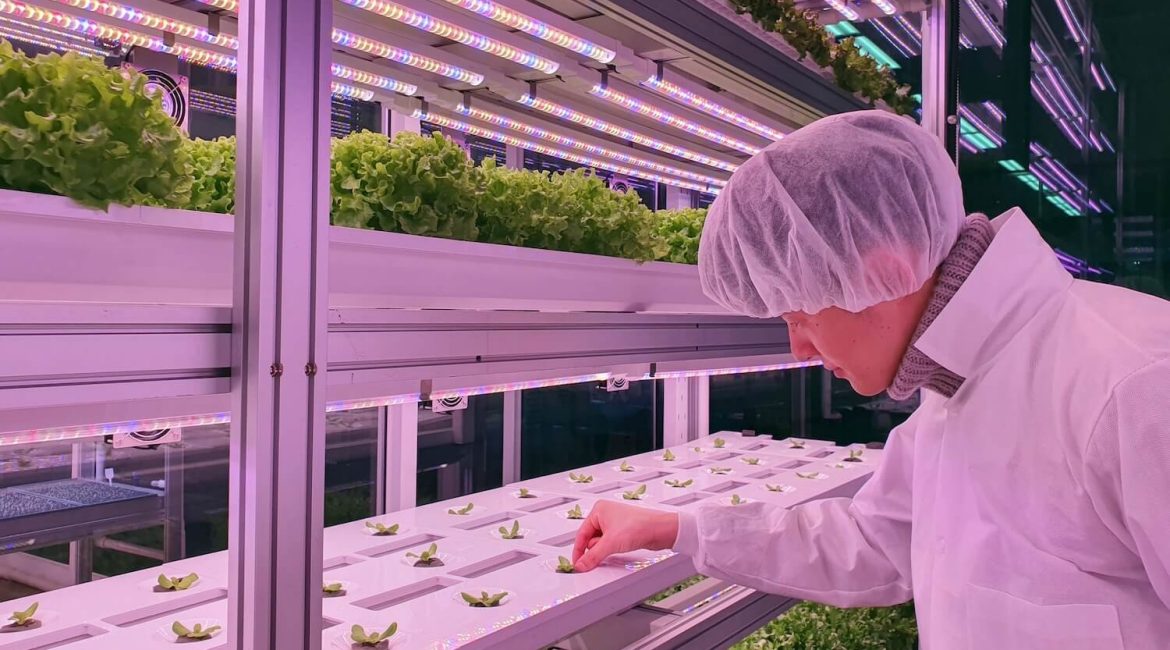
The transition of a vertical farm is a high-stakes race against biology, physics, and the relentless ticking of a project clock. You’ve spent years perfecting nutrient film techniques, fine-tuning light recipes, and stabilizing volatile organic compounds in a highly controlled environment, only to face the unpredictable chaos of a physical relocation. A single day of “lights-out” or a disrupted irrigation cycle doesn’t just delay your timelines; it can compromise months of longitudinal research or cause a total crop failure that erases your year-to-date revenue.
At Johnson Commercial Solutions Fort Collins, we understand that moving an Ag-Tech facility isn’t about moving boxes; it’s about transporting a living, breathing ecosystem. Through our integrated white-glove lab relocation services, a dedicated single point of contact, and real-time logistics dashboards, we manage the technical complexity of your infrastructure so your team can focus on the science.
Why is Fort Collins the New Global Frontier for Ag-Tech Relocation?
Fort Collins, Colorado, has evolved from a quiet college town into a global epicenter for agricultural innovation. This transformation is anchored by Colorado State University (CSU), particularly the Spur campus and the Western Water Policy Program, which leads the nation in water rights and sustainable irrigation research. As the “Innovation Corridor” along the Front Range expands, vertical farming startups and established hydroponic labs are migrating here at a record pace to tap into a specialized talent pool and world-class testing grounds.
However, moving Ag-tech equipment to Fort Collins presents environmental variables that can catch coastal companies off guard. The high altitude (5,000+ feet), rapid shifts in barometric pressure, and the notoriously low humidity of the Mountain West can stress biological cultures and affect the calibration of sensitive sensors during transit.
In this environment, your mover needs to be more than a logistics provider; they must be an extension of your operations team. You need a partner who speaks the language of photosynthetic photon flux density (PPFD), understands the osmotic pressure requirements of your hydroponic loops, and respects the biosecurity protocols required for high-yield indoor farming.
Can You Move a Vertical Farm Without Stopping Production?
The short answer is yes, through a strategic process we call Phased Re-Planting.
The greatest fear for any Greenhouse Operations Manager or Founder is the “Gap.” This is the period of dead air between decommissioning the old site and achieving full environmental stabilization at the new one. Traditional moving models involve a total shutdown: you harvest everything, pack the empty racks, transport, and then spend weeks troubleshooting leaks and electrical shorts at the new facility. For a commercial vertical farm with tight delivery contracts, this is a financial death sentence.
Our approach treats the lab relocation as a rolling transition rather than a hard stop. By synchronizing the transport of modular grow racks with your existing seedling cycles, we ensure that the transition is biologically invisible.
The Phased Re-Planting Framework:
- Staggered Harvest Schedules: We work with your head grower to align move dates with natural harvest windows. This minimizes the amount of biomass in transit, reducing the risk of heat stress or wilting.
- Environmental Benchmarking: Before a single rack leaves your old dock, our team ensures the HVAC, CO2 enrichment systems, and water filtration units at the new Fort Collins site are pre-calibrated and running for at least 48 hours to ensure a “soft landing” for the plants.
- Modular Transport: Instead of breaking everything down to the nuts and bolts, we specialize in moving fully integrated “plug-and-play” units. By keeping modular components intact, we reduce the “Lights-On” re-assembly time.
How Do You Protect Fragile LED Arrays During High-Altitude Transport?
In a modern vertical farm, the lighting system is often the most significant capital investment. These aren’t just “bulbs”; they are high-intensity, water-cooled, or specialized-spectrum LED arrays that are highly sensitive to vibration, static, and rapid temperature fluctuations. A single hairline crack in a diode or a loosened connection in a driver can lead to “hot spots” in your grow room that ruin crop uniformity.
Standard packing materials, like bubble wrap and cardboard, simply don’t cut it for laboratory equipment movers.
We utilize custom-engineered crating solutions designed specifically for Ag-Tech light hardware.
- Anti-Static Shielding: Moving across the dry Colorado plains creates significant static buildup. We use ESD-safe (Electrostatic Discharge) materials to protect the sensitive micro-circuitry within your LED drivers.
- Vibration-Isolating Palletization: We utilize air-ride suspension vehicles combined with custom foam inserts that are precision-cut to your specific light model. This prevents the glass and aluminum heat sinks from knocking together during the climb into the foothills.
- Climate-Controlled Vans: We prevent condensation buildup within the light housings by maintaining a consistent temperature during transit. This is critical in Colorado, where a 40-degree temperature swing in a single afternoon is common.
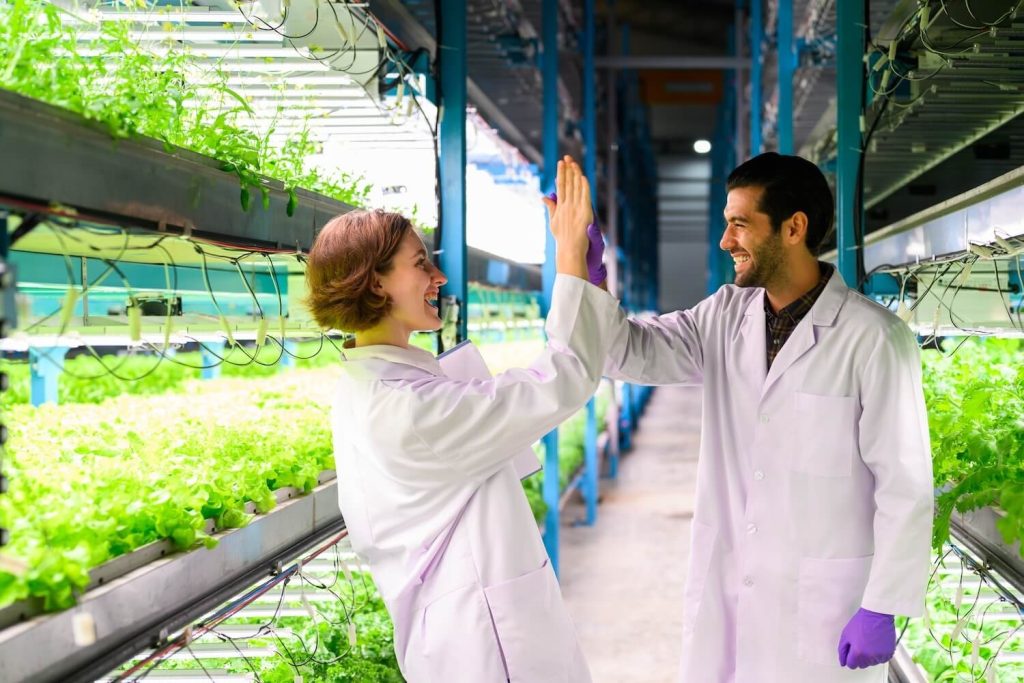
What is the Secret to Rapid-Reassembly of Hydroponic Systems?
The plumbing of a hydroponic or aeroponic system is a labyrinth of pumps, UV sterilizers, multi-stage filters, and hundreds of feet of PVC or flexible tubing. The logistics of hydroponic system transport are fraught with hidden dangers. If a system sits “dry” for too long, leftover nutrient salts can crystallize, biofilm can harden and clog emitters, or seals can dry out and crack. Conversely, if it’s moved “wet,” you risk leaks, heavy lifting injuries, and microbial contamination.
Our protocol focuses on “Dry-Run Readiness.” Our specialized teams handle the decommissioning of irrigation lines with surgical precision.
We ensure that all components are professionally drained, chemically sanitized to prevent cross-contamination between facilities, and labeled using a color-coded system that mirrors your digital CAD drawings. The goal is to ensure that when the racks are bolted down in Fort Collins, the “Water-Flow” sequence happens in a single shift.
Managing the Human Element: Relieving the Operations Manager’s Burden
If you are an Ag-Tech founder, your mind is on the next funding round, your burn rate, or the latest yield data from your R&D team. If you are an Operations Manager, you are likely losing sleep over the logistics of a greenhouse relocation in CO. You are worried about the riggers scratching the epoxy floors, the movers dropping a $50,000 spectrometer, or the local utility company failing to provide the correct voltage at the new site.
The greatest source of stress in a move is “vendor sprawl”, the nightmare of hiring one company for the heavy machinery, another for the sensitive electronics, and a third for the specialized plumbing. This creates a vacuum of accountability where everyone points the finger at someone else when a system fails to start.
We replace that chaos with a single point of contact. One lead strategist from Johnson Commercial Solutions who understands your specific “crop-cycle constraints” and manages the entire project dashboard. You don’t have to explain the fragility of a germinating tray or the importance of biosecurity to us; we already have it on our manifest as a “Priority-One Living Asset.”
What’s Included: Our Real-World Ag-Tech Capabilities
When we say “white-glove,” we refer to a level of precision that matches your own laboratory standards. Our comprehensive services for Ag-tech equipment moving to Fort Collins include:
- System-Wide Mapping: We document every electrical and plumbing connection before disassembly, creating a “blue-print” for the movers to follow during re-installation.
- Climate-Stabilized Transit: We use specialized trailers that monitor temperature and humidity in real-time, ensuring that living cultures or sensitive seeds never leave their “comfort zone.”
- Specialized Rigging: Our teams are trained to handle heavy-duty industrial water reservoirs, CO2 tanks, and massive industrial HVAC units that require precision placement.
- Biosecurity & Sanitation: Our teams follow strict “Clean-Room” protocols. We use sanitized equipment and PPE to ensure that no outside pathogens, pests, or mold spores are introduced into your new sterile grow environment.
- Full Post-Move Debris Removal: We don’t leave you with a mountain of crates and plastic. We provide a “Broom-Clean” finish at both sites so your team can focus on planting immediately, not cleaning up after the movers.
FAQ: Relocating Your Vertical Farm or Lab
1. How long does a typical Ag-Tech relocation take?
While a total facility move can take several days to a week, depending on scale, our “Phased Re-Planting” strategy ensures that individual grow zones are back online soon after arriving at the new site.
2. Do you handle living plant tissue and delicate cultures?
Yes. We coordinate closely with your lab team to move mother plants, clones, and tissue cultures in climate-stabilized, vibration-dampened environments to prevent transplant shock or wilting.
3. Can you move large-scale industrial greenhouses?
Absolutely. Our expertise extends from compact urban vertical farms to multi-acre greenhouse logistics, including the specialized transport of glass panels, automated shading systems, and structural steel rigging.
4. How do you handle specialized water filtration and RO systems?
Reverse Osmosis (RO) and UV filtration systems are decommissioned by technicians who understand the sensitivity of the membranes. We ensure they are stored and moved according to manufacturer specifications to prevent drying out or contamination.
5. Why choose a Fort Collins-based mover for this?
The Colorado climate, specifically the high altitude and dry air, requires local knowledge. We understand the specific infrastructure of the Northern Colorado Ag-Tech corridor and have relationships with local facility managers to ensure a smooth “dock-to-dock” experience.
Your Research Shouldn’t Wither in Transit
The work you are doing in sustainable agriculture, water conservation, and food security is too important to be sidetracked by a logistical oversight. Whether you are scaling your footprint to meet new demand or moving closer to the research hub of CSU, your relocation should be a milestone of growth, not a setback of lost data and dead harvests.
Let us handle the heavy lifting, the delicate wiring, and the complex timing of your move. With Johnson Commercial Solutions Fort Collins, you aren’t just moving equipment; you are migrating a vision.
Ready to plan your seamless transition? Call for a free quote today!
