The notification pops up: “Your order has shipped!” For a moment, a small thrill of anticipation. But then, a familiar feeling creeps in, a quiet anxiety of the unknown. Will it arrive on time? Will the box be damaged? Will it be left in the rain, or worse, stolen from the doorstep? For countless e-commerce and direct-to-consumer brands, this isn’t just a customer’s fleeting thought; it’s a daily, silent struggle that erodes trust and chips away at hard-won loyalty.
You’ve poured your heart and soul into creating exceptional products, meticulously crafted your brand story, and built a flawless online shopping experience. Your marketing sings, your website flows, and your customer service team is ready to answer any question. Yet, the moment a package leaves your warehouse, a critical piece of that meticulously built brand experience slips out of your direct control. And in an age where convenience isn’t just desired but expected, the journey from your loading dock to your customer’s doorstep has become the ultimate proving ground.
This isn’t just about getting a box from point A to point B anymore. It’s about bridging the emotional gap between a customer’s excitement for a new purchase and the reality of its arrival. It’s about transforming the last mile delivery from a logistical headache into a moment of delight. Because for today’s consumer, the delivery isn’t just a service; it’s a pivotal brand interaction, often the only physical touchpoint they have with your business.
The Invisible Wall: Why the Last Mile Feels Like the Longest Journey
Think about it. You’ve invested in top-tier inventory management, optimized your supply chain, and maybe even automated your fulfillment center. Products fly off the shelves and into outbound trucks with impressive efficiency. But then, they hit the urban sprawl. A labyrinth of traffic, parking restrictions, apartment buzzers, and unpredictable variables. This is where traditional logistics models falter, where the carefully constructed efficiency of your operations can dissolve into a frustrating series of delays and disappointments.
The Frustration of Unpredictability: Why do customers get frustrated with last-mile delivery?
The modern consumer lives in a world of instant gratification. They can get groceries delivered in an hour, stream movies on demand, and communicate across continents with a tap. Their expectations for delivery have evolved, and if your brand can’t keep pace, they will find one that can. The silent sighs of frustration from waiting, the abandoned carts due to lengthy delivery estimates, the occasional irate customer service call, these are not just isolated incidents. They are symptoms of a systemic challenge in the modern e-commerce landscape. Customers crave transparency and control, and when a package gets stuck in the “out for delivery” purgatory for hours or days, that trust is broken.
The Cost of Distance: What are the hidden costs of a traditional delivery model?
The problem isn’t a lack of effort; it’s often a lack of proximity and agility. Your main warehouse might be miles outside the city, a strategic choice for cost-effective storage. But that efficiency comes at a hidden cost in the final mile delivery. It means longer transit times, higher fuel consumption, and a greater susceptibility to the unpredictable challenges of urban delivery. It means “same-day” delivery often feels more like a hopeful aspiration than a concrete promise. Your delivery fleet is spending valuable time and resources simply getting to the right neighborhood, before the actual delivery even begins. This inefficiency compounds, driving up costs and lowering your service-level capacity.
Redefining Proximity: Bringing the Warehouse Closer to the Home
What if you could dismantle that invisible wall? What if you could shrink the “last mile” to just a few blocks? Imagine a scenario where your best-selling items, your most anticipated new releases, and your urgent replenishment stock are not miles away, but right there, in the heart of the city, ready to be dispatched at a moment’s notice.
The Power of Urban Storage Hubs: How do urban storage hubs improve delivery speed?
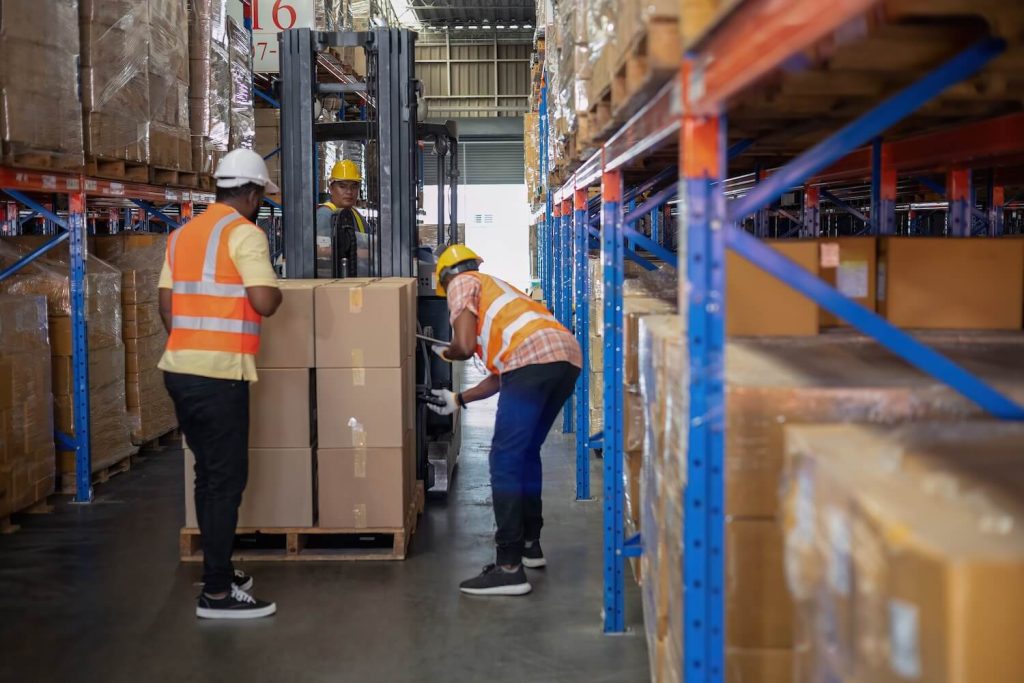
This isn’t a futuristic fantasy; it’s the strategic advantage offered by intelligently placed urban storage hubs. These are not massive, sprawling distribution centers, but rather compact, highly efficient micro-fulfillment centers or dark stores nestled within urban areas. They act as strategic outposts, extending your reach deep into the neighborhoods where your customers live, work, and shop. The impact of this shift is profound. By reducing the physical distance for delivery, you can offer true same-day and next-day delivery options that are both reliable and affordable. This isn’t just about speed; it’s about making a promise you can actually keep.
Beyond Speed: A Holistic Customer Experience: What is the benefit of last-mile optimization beyond just speed?
Proximity allows for greater flexibility and control. Imagine offering precise delivery windows, allowing customers to schedule deliveries around their lives, not the other way around. Picture drivers who are familiar with local routes, leading to fewer missed deliveries and a smoother final handover. This attention to detail transforms a transactional interaction into a truly positive brand encounter. It provides the customer with a sense of control and reliability that builds genuine trust. This shift from a “ship it and hope” mentality to a “deliver it with precision” mindset is a key e-commerce logistics differentiator.
The ROI of a Superior Last-Mile Experience
The benefits of optimizing your last-mile delivery strategy aren’t just about making customers happy; they translate directly into tangible business results.
It’s a strategic investment that pays dividends across your entire operation.
Boosting Customer Loyalty and Lifetime Value: How does fast delivery increase sales?
Ultimately, a superior last-mile experience translates directly into business growth. Customers who receive their orders quickly, reliably, and with minimal fuss are more likely to become repeat buyers. They’re more likely to share their positive experiences, becoming informal brand ambassadors. And in a competitive market, this differentiation can be the decisive factor that makes them choose your brand over another. The feeling of satisfaction from a seamless delivery creates a positive feedback loop that increases customer lifetime value.
Reducing Costs and Enhancing Efficiency: Can a distributed network be more cost-effective?
While setting up urban hubs might seem like an added expense, the efficiencies gained often outweigh the initial investment. Shorter delivery routes mean less fuel, fewer vehicle miles traveled, and reduced wear and tear on your fleet. It also optimizes driver time, allowing them to complete more deliveries in a shorter period, ultimately lowering per-delivery costs. By processing a higher volume of deliveries per hour, your operational efficiency soars, leading to a leaner, more profitable fulfillment model. This shift from a capital-intensive, high-cost model to an agile, efficient one is the future of e-commerce logistics.
Building a Resilient Supply Chain: What role does last-mile delivery play in supply chain resilience?
In an unpredictable world, having distributed inventory reduces your reliance on a single, distant hub. If a major storm hits, or traffic grinds to a halt in one area, your other urban hubs can continue to operate, ensuring business continuity and customer experience. This decentralized approach builds a more robust and responsive supply chain, mitigating risk and ensuring your brand can deliver on its promises, no matter what external factors arise.
The Human Element: Elevating the Final Interaction
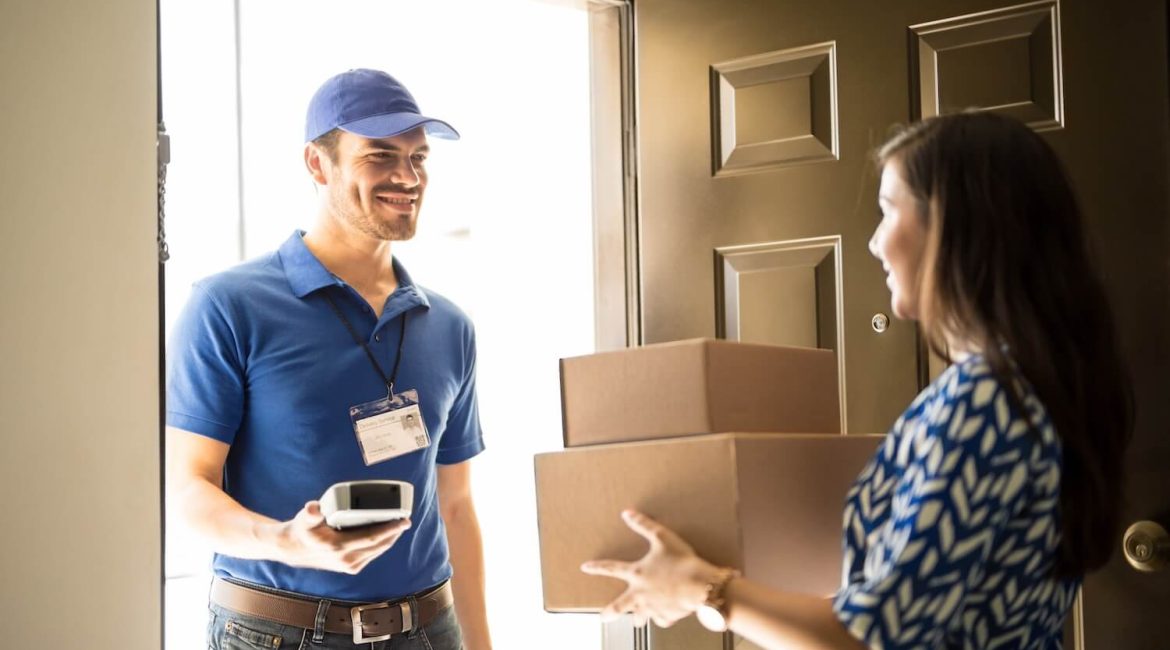
The last mile isn’t just about logistics; it’s about people. The delivery driver is often the only physical representative of your brand that a customer ever interacts with. Their professionalism, their courtesy, and their ability to navigate challenges gracefully can either reinforce or undermine all the effort you’ve put into your brand.
From Driver to Brand Ambassador: Why is the delivery driver so important to Deliveries?
By optimizing your last-mile strategy with urban hubs, you empower your delivery teams. Shorter routes mean less stress, more predictable schedules, and a greater ability to focus on providing excellent service. It allows for more efficient training on product handling, customer interaction protocols, and even localized knowledge of specific building access or neighborhood nuances. This isn’t just about efficiency; it’s about elevating the entire delivery ecosystem to reflect your brand’s commitment to quality at every touchpoint. The simple act of a polite driver handing over a package can make a customer feel valued and respected.
The Psychology of Proximity: How does delivery speed affect a customer’s perception of a brand?
The psychological impact of fast, reliable delivery is profound. When a customer receives their order much faster than they expected, it creates a sense of pleasant surprise and gratitude. This feeling of positive anticipation and resolution reinforces their decision to purchase from you. In contrast, a late or complicated delivery can lead to buyer’s remorse and a negative association with your brand, regardless of the quality of the product itself. The delivery speed becomes a core part of the product’s value proposition.
The Path Forward: A Strategic Imperative, Not Just an Upgrade
The modern consumer isn’t waiting. They’re accustomed to a world that bends to their convenience, and their expectations will only continue to rise. For e-commerce companies and direct-to-consumer brands, the choice is clear: adapt and lead, or fall behind.
The Shift from Logistics to Experience Design: Is last-mile delivery part of the brand?
Moving beyond traditional, centralized shipping models isn’t just an operational upgrade; it’s a strategic imperative. It’s about recognizing that the journey a product takes from your warehouse to a customer’s hands is as integral to your brand experience as the product itself. It’s about leveraging intelligence and proximity to turn a historical pain point into your most potent competitive advantage. The last-mile delivery is no longer just a cost center; it’s an opportunity to design a superior brand experience that your competitors can’t replicate.
Choosing the Right Partner: What to look for in a last-mile solution provider?
This transformation requires more than just a quick fix. It requires a partner who understands the intricacies of urban logistics and the psychology of the modern consumer. A partner who can help you strategically place those urban storage hubs, optimize your inventory allocation within them, and orchestrate a seamless network of rapid, reliable final-mile deliveries. A partner who sees the last mile not as a challenge, but as an opportunity to deepen customer relationships and solidify your brand’s reputation for excellence.
It’s time to stop seeing delivery as just a logistical hurdle and start viewing it as a powerful driver of customer satisfaction, loyalty, and ultimately, sales. The future of e-commerce belongs to those who master the last mile, transforming it from a logistical challenge into a smooth, satisfying extension of their brand’s promise.
Ready to transform your delivery experience and unlock a new level of customer delight? Discover how Johnson Commercial Solutions‘ custom last-mile solutions can redefine what’s possible for your brand.