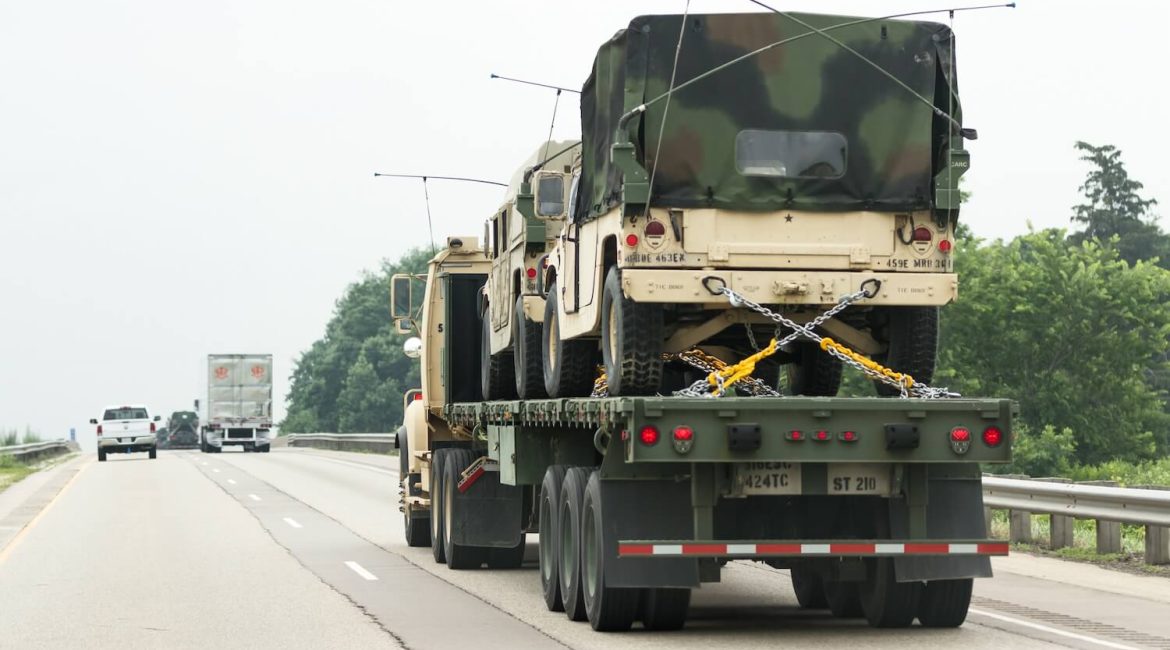
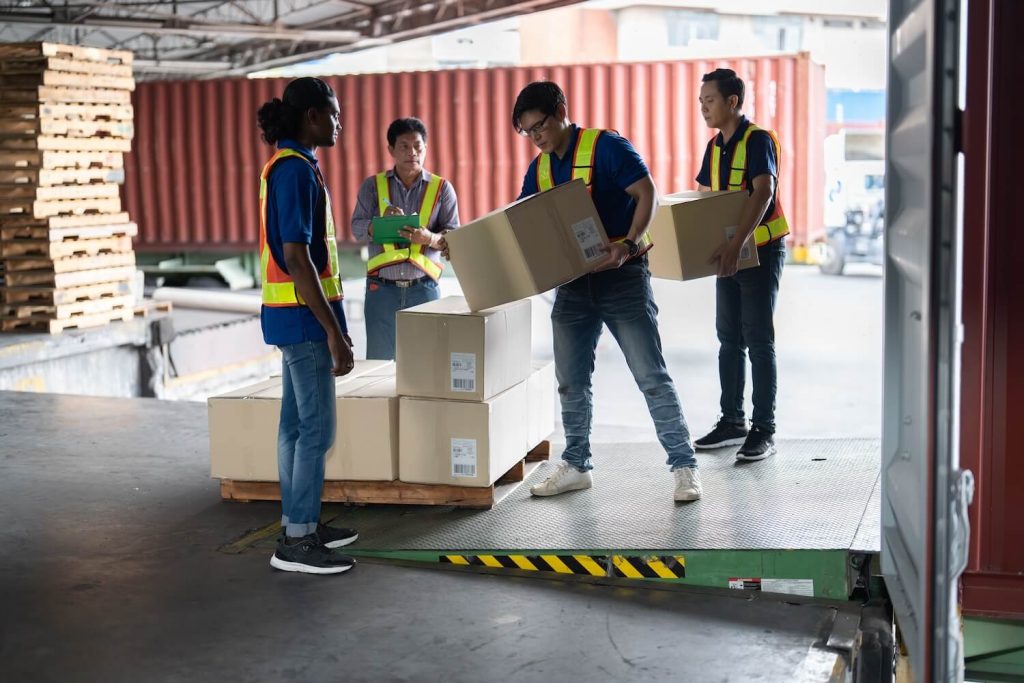
You’re standing on the oil-stained floor of a legacy production facility in the heart of Kansas City. Around you, the air hums with the steady, mechanical rhythm of a CNC machine that has been the heartbeat of your operation for two decades. But today, that rhythm feels like a countdown.
You’ve been tasked with a high-stakes relocation, perhaps a rapid pivot to support a sudden surge in defense contracts or a FEMA-coordinated emergency response. The logistical mountain in front of you looks insurmountable. Between the “Great War” era industrial architecture, low-hanging steam pipes, and 50-ton tolerances, the risk of a single miscalculation is paralyzing. You aren’t just moving equipment; you’re moving your company’s future, and the margin for error is measured in millimeters.
At Johnson Commercial Solutions Kansas City, we turn that paralysis into precision. We provide integrated, white-glove industrial rigging and relocation services that act as a single point of contact for the most complex moves in the Midwest. Through real-time project dashboards and an elite engineering approach, we ensure that your mission-critical assets move from “impossible” spaces to their new foundations without a heartbeat of downtime.
What are industrial rigging services in Kansas City’s legacy buildings?
Industrial rigging services in Kansas City involve the specialized engineering, lifting, and maneuvering of heavy machinery within confined, aging, or structurally sensitive environments. Unlike standard hauling, professional rigging is a discipline of physics and patience. It requires:
Structural Load Analysis: Scientifically calculating if decades-old concrete floors can support concentrated “point loads” without fracturing.
Precision Tooling: Utilizing hydraulic gantry systems, air-float skates, and low-profile jacks designed for spaces where a standard crane cannot fit.
Center-of-Gravity Mapping: Ensuring 100,000-lb machines remain stable during complex 3D tilts and turns.
Egress Engineering: Navigating equipment through historic masonry openings with only inches of clearance on either side.
The Silent Complexity of the Kansas City Industrial Corridor
Kansas City is the literal and figurative backbone of American manufacturing. However, its history presents a unique paradox for the modern plant manager. Many of our most vital manufacturing hubs, those supporting military supply chains and FEMA disaster relief, are housed in “Great War” era buildings or the city’s famous converted subterranean spaces.
These facilities offer unmatched character and proximity to rail, but they were never built for the 50-ton CNC centers or multi-axis lathes of 2026. When the military needs a production line moved to support base operations, or when a FEMA-aligned supplier needs to scale production overnight, the challenge isn’t the 500-mile highway drive. It’s the first 50 feet out of the building.
Why floor-load capacity keeps plant managers up at night
In many older KC facilities, the concrete isn’t just a surface; it’s a variable. If you roll a heavy CNC machine across a floor without calculating the pounds per square inch (PSI) exerted by the wheels of a forklift or a skate, you risk “punching through” into a basement or utility vault.
We don’t just “bring a bigger truck.” We bring an engineering mindset that respects the architecture of Kansas City:
Distribution Plate Systems: We use heavy-duty steel plating to spread the weight of the machinery across a wider surface area, protecting the integrity of your shop floor.
Sub-Surface Assessment: We identify voids, old plumbing trenches, or aging reinforcements in older industrial bays before the first jack is even placed.
Pathfinding: We map a surgical route through the plant that avoids structural weak points or sensitive underground utilities that might not appear on original blueprints.
The Art of the “Impossible” Move: Navigating Tight Spaces
This is where the “white-glove” philosophy separates the professionals from traditional movers. When you are dealing with machinery relocation, “brute force” is a liability. In the tight confines of a West Bottoms warehouse or a North KC plant, precision is your only ally.
Specialized Skates and Low-Profile Gantries
In facilities with low overhead clearance, common in legacy KC districts, standard cranes are physically impossible to deploy. Our teams utilize:
Hydraulic Skates: These allow us to glide a machine weighing as much as a Boeing 737 across a level floor with just inches of vertical clearance.
Low-Profile Gantry Systems: These portable lifting frames can be assembled around your machine, lifting it vertically within the confines of a standard ceiling height.
Air-Bearing Technology: For ultra-sensitive cleanroom environments or floors that cannot be marred, we can literally float the equipment on a cushion of compressed air, moving it with the touch of a finger.
The Physics of the “Tipping Point”
Every piece of high-end manufacturing equipment has a “mood.” A CNC machine’s weight isn’t distributed evenly; the spindle head and the base have vastly different densities. Heavy equipment movers in MO must identify the exact center of gravity before the first lift. A mistake of two inches can lead to a catastrophic tilt, damaging the internal calibration of a million-dollar asset or, worse, creating a safety hazard on the floor.
Once the machine is safely out of the building, the strategy shifts to the “Long Haul.” Kansas City is one of the few places in the country where heavy equipment transport can seamlessly transition from rubber to rail.
As a massive national rail hub, KC allows us to facilitate intermodal transport for machinery that is too wide or too heavy for standard interstate overpasses. By leveraging rail access, we provide a more stable, vibration-reduced journey for sensitive military-grade equipment or large-scale manufacturing components. This is especially critical for FEMA-related logistics, where equipment must often travel across state lines during periods of high road congestion or infrastructure damage.
“In the world of crisis-ready logistics, being ‘on time’ is the bare minimum. Being ‘calibrated upon arrival’ is the standard of excellence.”
What’s Included: The Johnson Commercial Solutions Standard
When we say “everything is handled,” we mean we take over the mental load as well as the physical one. Our manufacturing plant movers provide a comprehensive, turnkey suite of services designed to let you focus on your mission:
Pre-Move Engineering Consult: On-site blueprints for rigging, egress, and floor-loading.
Precision Leveling & Lagging: We don’t just drop the machine; we ensure it is perfectly leveled and anchored to your exact specifications.
Turnkey De-Installation: Handling the professional disconnect of air, power, and fluids.
Climate-Controlled Staging: If your new site isn’t ready, we provide high-security, climate-managed storage to protect your electronics from Missouri humidity.
Dedicated Project Dashboard: A single digital pane of glass where you can track the status, permits, and photos of your move in real-time, no more chasing down truck drivers for updates.
Why “White-Glove” Matters in the Industrial Services World
To the uninitiated, “white-glove” sounds like a service for fine art or antique furniture. But in the world of CNC machine transport, it is a necessity. High-precision manufacturing equipment is surprisingly fragile. A microscopic scratch on a guide rail or a jolt that knocks a multi-axis head out of alignment by a fraction of a micron can result in weeks of recalibration and lost revenue.
Our white-glove approach means we treat a 50-ton lathe with the same reverence as a museum artifact. We wrap, we shield, we calculate, and we double-check. We understand that for a Plant Manager, this equipment isn’t just “cargo”, it’s the engine of your livelihood.
Supporting the Teams Mission: FEMA and Military Base Logistics
When we support military bases or FEMA-led operations, the stakes are elevated from “commercial” to “critical.” These moves often happen under tight deadlines with zero room for failure.
Our teams are trained to operate within the strict security protocols of government installations.
FAQ: Navigating Machinery Relocation Crews in Missouri
1. Do you handle the permitting services for “Superloads” in Kansas City?
Absolutely. We manage the entire administrative tail, including municipal permits for street closures, utility height adjustments, and MODOT requirements for over-dimensional loads. You won’t have to spend hours on hold with City Hall.
2. Can you move machinery out of “Subtropolis” or other underground facilities?
Specialized underground rigging is a Kansas City staple. We are highly experienced in the low-ceiling, high-moisture, and unique ventilation requirements of KC’s various subterranean industrial parks. We know which rigs fit in the tunnels and which don’t.
3. Is “White-Glove” really necessary for heavy industrial equipment?
While the term sounds delicate, in rigging it means “meticulous.” It refers to the protection of sensitive electronic components, the cleaning of the machine post-move, and the absolute protection of your facility’s floors and walls. It’s about avoiding the “hidden costs” of a sloppy move.
4. How do you handle CNC machine transport services for high-precision industries?
CNC machines are prone to losing calibration during vibration. We utilize air-ride suspension trailers and specialized “soft-tie” securing methods to minimize G-force impact and road vibration during transit.
5. How long does a typical rigging assessment take?
An initial walk-through usually takes 1–2 hours, followed by a detailed engineering and safety plan. For complex moves, we recommend scheduling this assessment at least 4 weeks before your anticipated move date to ensure all permits and specialized tools are secured.
6. Do you work with military or government-contracted storage facilities?
Yes. We are well-versed in the security protocols, background checks, and documentation required to operate on military installations and within FEMA-coordinated response zones.
7. What happens if the machine doesn’t fit through the planned exit?
That is exactly what the “Pre-Move Engineering Consult” prevents. We measure down to the quarter-inch. If a machine won’t fit, we identify the necessary structural modifications (like temporary wall removal) or specialized rigging maneuvers well before the move day arrives.
Heavy Lifting Requires Heavy Expertise Services
Don’t leave your most valuable assets to chance or “standard” movers who treat a CNC machine like a pallet of boxes. In the high-stakes world of Kansas City manufacturing, the difference between a successful installation and a multi-million dollar disaster is the team in the rigging harness.
When the mission is critical, the logistics must be flawless. At Johnson Commercial Solutions, we don’t just move equipment; we move your business forward.