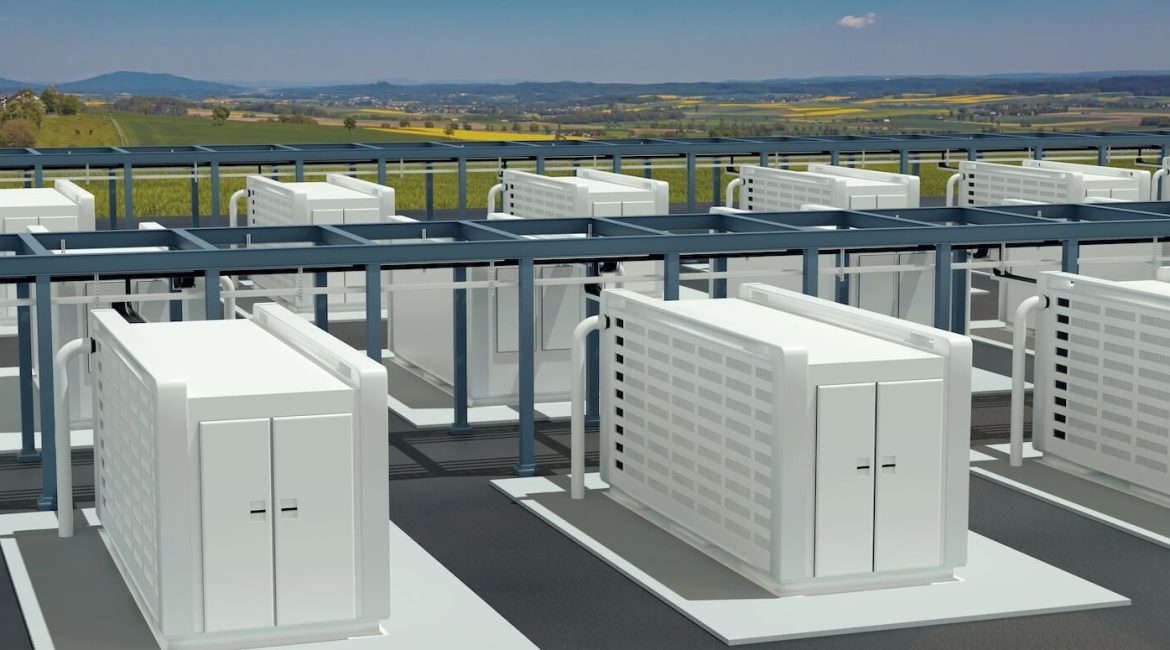
The hum of innovation is getting louder. Across the globe, an unprecedented wave of battery energy storage systems (BESS) is being deployed, ushering in an era where renewable energy isn’t just a promise, but a reliable, constant power source. For project managers, utility contractors, and energy infrastructure developers, this boom signifies immense opportunity – ambitious projects, grid-scale transformations, and the very real chance to shape a sustainable future.
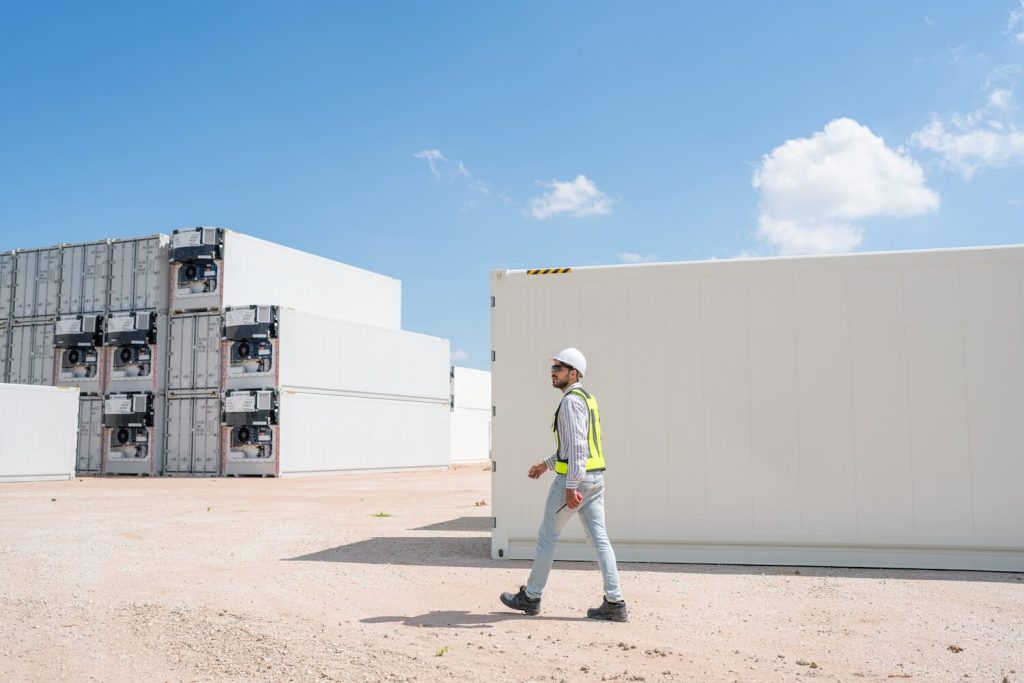
Yet, amidst this exciting surge, there’s a silent, often overlooked challenge that keeps many up at night: the critical, vulnerable period between a BESS unit leaving the factory and its final, secure installation on-site. Imagine the scene: a million-dollar container, bristling with advanced lithium-ion technology, arrives at a staging area. It sits there, waiting. Days turn into weeks, sometimes months, as permits are finalized, ground is broken, and crews are mobilized. During this limbo, that invaluable asset, the very heart of your next renewable energy triumph, is exposed. It’s a high-stakes moment, fraught with financial, operational, and reputational risks. The question isn’t if something could go wrong, but how to ensure it won’t.
The Unseen Battlefield: Why Pre-Installation Storage is a Silent Crisis
For those immersed in the rapid deployment of grid-scale energy solutions, the pre-installation storage phase of BESS units often feels like a necessary evil, a brief but nerve-wracking pause before the real work begins. But this “pause” is anything but passive. It’s a dynamic period laden with risks that, if not expertly managed, can cascade into catastrophic project delays, budget overruns, and severe reputational damage.
Consider the sheer financial weight of a single BESS unit. These are not minor components; they represent substantial capital investments, often in the hundreds of thousands or even millions of dollars per unit. A single incident – be it theft, vandalism, accidental damage, or environmental exposure leading to degradation – can translate into a direct and significant financial hit. Insurance policies might mitigate some losses, but they rarely cover the true cost of project delays, the administrative burden of claims, or the long lead times required for replacement units in an already constrained global supply chain. The ripple effect on your project timeline can be devastating, pushing back commissioning dates, incurring penalties, and eroding profit margins.
Beyond the immediate financial blow, there’s the palpable operational risk. Every day a BESS unit sits insecurely, awaiting installation, is a day your project is vulnerable. Missed deadlines aren’t just contractual; they can jeopardize critical energy delivery schedules, impacting grid stability or the ability to meet renewable energy mandates. Imagine the frustration when a carefully orchestrated deployment is thrown into disarray because a vital component was compromised during storage. This isn’t just about losing a part; it’s about losing momentum, credibility, and the trust of stakeholders who depend on your reliability.
And then, there’s the shadow of reputational damage. In an industry built on trust, innovation, and unwavering performance, any incident that compromises high-value energy infrastructure can send shockwaves. A security breach at a storage facility, an environmental mishap involving sensitive battery materials, or even visible signs of neglect can erode public and investor confidence. This isn’t just about one project; it’s about the perceived reliability and professionalism of your entire operation, impacting future bids and partnerships.
Finally, the inherent environmental sensitivity of lithium-ion batteries cannot be overstated. These units are engineered to perform within specific temperature and humidity ranges. Exposing them to extreme heat, cold, or moisture during storage can lead to irreversible degradation, diminished performance, or, in the worst-case scenario, increase the risk of thermal runaway and fire. This isn’t merely about preserving functionality; it’s about safeguarding lives and property, and ensuring the long-term viability of these critical assets. The pre-installation phase, therefore, isn’t just about holding space; it’s about meticulous environmental control and proactive risk mitigation.
Beyond the Fence Line: Decoding Secure BESS Storage Requirements
The solution to these multifaceted challenges lies in a holistic approach to pre-installation storage – one that goes far beyond a simple warehouse and embraces specialized expertise in security, environmental control, and logistical precision. It’s about transforming a vulnerability into a strategic advantage, ensuring your high-value BESS units are not just stored, but protected and prepared for seamless deployment.
Ironclad Security Protocols: Fortifying Your Stored Investment
Securing multi-million-dollar BESS units requires a defense-in-depth strategy that deters, detects, and responds to threats with unwavering vigilance. This isn’t just about locking a gate; it’s about creating an impenetrable perimeter.
Physical Deterrents: The first line of defense is a formidable physical presence. This begins with robust, multi-layered fencing, often exceeding standard industrial heights, reinforced with anti-climb measures and potentially integrated with vibration sensors. Storage facilities themselves must be constructed with reinforced concrete or steel, offering substantial resistance to forced entry. Crucially, controlled access points are paramount. This involves advanced security measures like biometric scanners, keycard access systems, and stringent visitor authentication protocols, ensuring that only authorized personnel can enter or exit. Every entry and exit is logged, creating an irrefutable audit trail.
Advanced Surveillance: Modern security demands eyes everywhere, all the time. A comprehensive surveillance system for BESS storage includes 24/7 high-definition CCTV cameras strategically placed to cover every inch of the facility, both indoors and out. Beyond standard cameras, integrating thermal imaging can detect intruders even in complete darkness, while motion sensors trigger immediate alerts upon any unauthorized movement. For larger, more remote facilities, the deployment of autonomous drone patrols with thermal and optical capabilities can provide an additional, dynamic layer of oversight, covering vast areas efficiently. These systems are typically monitored off-site by dedicated security operations centers (SOCs), ensuring rapid response to any anomaly.
The Human Element: Technology is powerful, but it’s the human intelligence and responsiveness that make a security strategy truly effective. On-site security personnel, specifically trained in high-value asset protection and hazardous materials awareness, provide a constant, visible deterrent. Regular, unpredictable patrols, both inside and outside the facility, actively check for vulnerabilities and respond to alerts. Furthermore, rigorous background checks and continuous training for all staff who have access to the BESS units are non-negotiable. This minimizes internal threats and ensures that every individual handling these assets understands the gravity of their role in maintaining security.
Digital Fortification: In an increasingly connected world, even physical security systems are vulnerable to cyber threats. The digital infrastructure supporting access control, surveillance, and inventory management systems must be robustly protected. This involves strong encryption, multi-factor authentication, regular penetration testing, and adherence to leading cybersecurity best practices. Protecting the data associated with your BESS units – their location, status, and movement – is as critical as protecting the units themselves.
Environmental Battery Energy Storage Mastery: The Climate-Controlled Imperative
The longevity, performance, and safety of BESS units are inextricably linked to their environmental conditions. Ignoring this can lead to costly degradation, reduced efficiency, or, in extreme cases, dangerous incidents.
Temperature & Humidity Regulation: Lithium-ion batteries, the workhorses of most BESS units, are highly sensitive to temperature extremes. Storing them in conditions that are too hot can accelerate electrolyte degradation, reduce cycle life, and increase the risk of thermal runaway. Conversely, exposure to extreme cold can also damage battery components and significantly reduce their charge capacity. Ideal storage environments maintain a narrow, stable temperature range, typically between 10∘C and 25∘C ( 50∘F and 77∘F). Humidity control is equally vital; excessive moisture can lead to corrosion and short-circuiting, while overly dry conditions can create electrostatic discharge risks. State-of-the-art facilities employ sophisticated HVAC systems with redundant controls, continuous monitoring, and automated adjustments to maintain these precise conditions, regardless of external weather fluctuations.
Ventilation Systems: While BESS units are typically sealed, proper ventilation within the storage facility is crucial. It helps to manage ambient temperatures, dissipate any trace gasses that might be emitted (even in small, benign quantities), and ensure good air quality for personnel. In the unlikely event of a minor anomaly, effective ventilation can help mitigate any localized issues.
Fire Suppression Systems: This is arguably the most critical environmental consideration for lithium-ion battery storage. Water-based sprinkler systems, while effective for many fires, can actually exacerbate lithium-ion fires by reacting with the battery components. Therefore, specialized fire suppression systems are paramount. These often include:
- Early Detection: Multi-sensor smoke and heat detectors, including aspirating smoke detection (ASD) systems that can detect minute particles in the air, provide critical early warnings of potential thermal events.
- Non-Water Agents: Inert gas systems (like nitrogen or argon) or clean agent systems (such as FM-200 or Novec 1230) are designed to suppress fires without damaging the sensitive electronics or reacting with the battery chemistry. These systems work by either displacing oxygen or by removing heat from the fire, effectively starving it or cooling it down.
- Containment: Fire-rated compartments and barriers within the storage facility can help prevent the spread of fire, isolating any incident to a specific area.
Hazardous Material Handling & Compliance: Beyond fire safety, proper handling of BESS units as hazardous materials is non-negotiable. This involves clear, visible labeling of units, readily accessible Safety Data Sheets (SDS) for all battery chemistries, and the implementation of robust spill containment procedures. Staff must be extensively trained in hazardous materials protocols, emergency response, and the proper use of personal protective equipment (PPE). Adherence to local, national, and international hazardous material transportation and storage regulations (e.g., DOT, OSHA, NFPA) is not just good practice, it’s a legal imperative.
Logistical Precision: The Art of Seamless Energy Storage Transition
Secure storage isn’t just about protection; it’s about ensuring readiness for rapid, efficient deployment. Logistical prowess transforms a static holding area into a dynamic staging ground.
Strategic Location: The ideal storage facility is not just secure and environmentally controlled, but also strategically located. Proximity to major project sites reduces transportation costs and transit times, minimizing the period of vulnerability. Access to major highways, rail lines, or even ports can streamline inbound and outbound logistics, ensuring timely delivery to the final installation site. This geographical advantage contributes directly to project efficiency and cost-effectiveness.
Specialized Handling Equipment: BESS units are large, heavy, and sensitive. Standard forklifts or cranes may not be adequate or safe. Specialized handling equipment, including heavy-duty forklifts with custom attachments, gantry cranes, and flatbed trucks designed for oversized loads, are essential. Operators must be certified and highly experienced in handling high-value, fragile equipment to prevent accidental damage during loading, unloading, and internal movement.
Advanced Inventory Management Systems: Real-time visibility into your inventory is critical. A sophisticated, digital inventory management system provides detailed records for each BESS unit – its unique identifier, arrival date, environmental data logs, maintenance history, and current location within the facility. This system allows for streamlined retrieval, reduces human error, and provides an auditable trail for compliance and accountability. Instant access to this data empowers project managers to make informed decisions about deployment schedules.
Pre-Deployment Checks & Preparation: The best storage facilities go beyond mere safekeeping. They offer the capability to perform pre-deployment checks and minor preparations if required. This could involve charging state verification, firmware updates, or even preliminary wiring checks, ensuring that once the units arrive on site, they are truly “plug-and-play.” This foresight minimizes on-site delays and enhances overall project efficiency.
The Johnson Commercial Solutions Difference: A Partner, Not Just a Provider
In the complex ecosystem of renewable energy development, Johnson Commercial Solutions emerges not just as a commercial storage provider, but as an indispensable strategic partner. We understand the unspoken anxieties you face – the immense value contained within each BESS unit, the tight deadlines, the ever-present risks, and the imperative to deliver flawless energy infrastructure. We don’t just offer space; we offer a meticulously engineered solution designed to eliminate these worries, allowing you to focus on what you do best: building the future of energy.
Our purpose-built facilities are a direct answer to the challenges outlined above. Imagine climate-controlled environments where temperature and humidity are regulated with surgical precision, safeguarding the delicate chemistry of your batteries. Picture multi-layered security systems – from advanced surveillance to expert human patrols – that stand guard 24/7, providing an impenetrable shield against theft or damage. Envision specialized fire suppression systems, designed specifically for lithium-ion, that preempt any risk with sophisticated early detection and non-water-based agents.
But our commitment goes beyond the physical infrastructure. Our team comprises experts meticulously trained in hazardous material handling, high-value asset management, and advanced logistics. They speak your language, understand the nuances of BESS technology, and anticipate your needs. We integrate cutting-edge inventory management systems that provide real-time visibility, ensuring you always know the exact status and location of your assets, enabling seamless project coordination.
With Johnson Commercial Solutions, you gain more than a secure location; you gain peace of mind. We alleviate the logistical burden, managing the intricate details of inbound and outbound flows, ensuring your units are ready for immediate integration when the moment arrives. We act as an extension of your team, providing the controlled and compliant environments necessary to protect these high-value assets and ensure their readiness for deployment, minimizing risks and maximizing your project’s success.
The Future is Secure: Your Next Step Towards Uninterrupted Energy Development
The renewable energy revolution is accelerating, and with it, the demand for reliable, resilient energy storage. The secure handling of BESS units pre-installation is no longer a peripheral concern; it is a core determinant of project success, financial stability, and reputational integrity. The future of energy depends on flawless execution, and that begins long before the first wire is connected on-site.
Don’t let the crucial period between delivery and deployment become your project’s weakest link. Eliminate the sleepless nights, the constant worry, and the financial exposure. By choosing a partner who understands the unique demands of BESS unit storage, you empower your team, safeguard your investments, and accelerate your path to delivering critical energy solutions.
Partner with Johnson Commercial Solutions for secure and specialized battery storage solutions.
Let us provide the strategic advantage that transforms potential vulnerability into unwavering confidence, ensuring your BESS units are always ready to power tomorrow.